I am writing this article in February 2026 and I am so fed up with the amount of rain we are having in the UK. I am really looking forward to some sunnier and warmer weather. We Brits can’t always be guaranteed of fine weather and after all I have been through these last 18 months, I have my mindset on booking my holiday to Bali. It’s not always been easy for me to think about travelling abroad as I used to, that said I have never really enjoyed leaving home, no matter how wonderful the place is I am visiting, but it certainly was easier and something I didn’t pay much thought too.
Listen here and read on for more ...
I still remember the first time I even thought about going on holiday after my heart attack. I was sitting at home, scrolling through photos of beaches and city breaks, and instead of excitement, I felt this heavy knot in my stomach.
It wasn’t the destination that scared me, it was the journey. The airports. The flights. The “what ifs.”
- What if my heart couldn’t cope?
- What if something happened mid air?
- What if I wasn’t as “recovered” as I thought?
If you’re reading this and nodding along, please know this: you’re not alone. That fear is real, and it’s valid. I felt it too. And yet, here I am, someone who’s lived through a heart attack, telling you that travelling again is possible. It’s not about ignoring your fears, but about preparing, pacing yourself, and treating your heart with the kindness it deserves.
Let’s walk through this together, gently and honestly.
Have That Conversation with Your Doctor
I’ll be honest, the first time I brought up “travel” with my doctor, I felt a bit silly. I thought they’d laugh and say, “You? On a plane? Absolutely not.” But they didn’t. They listened. They asked questions. They explained what they needed to check before giving me the green light.
And that’s the first thing I want to share with you: Don’t book anything until you’ve spoken to your doctor or cardiologist.
Not because you’re fragile. Not because you’re incapable. But because your heart deserves a proper safety check. Your doctor can help you understand:
- Whether your heart is stable enough for travel
- What symptoms to watch for
- Whether flying is appropriate for you right now
- What activities you may need to pace yourself with
- Whether you need any documents or summaries for travel
And if you also live with COPD, this conversation becomes even more important. COPD can affect how your lungs handle cabin pressure, humidity, and long periods of sitting. Your doctor can explain whether you might need oxygen on the plane, how to manage breathlessness, and what to do if your symptoms flare while you’re away.
Think of this appointment as your “passport check”, the one that really matters.

Choosing a Destination That Loves Your Heart Back
When I first started planning, I realised something: I wasn’t choosing a holiday for the old me. I was choosing one for the new me. I had been through something big and needed reassurance and gentleness.
Here’s what I learned:
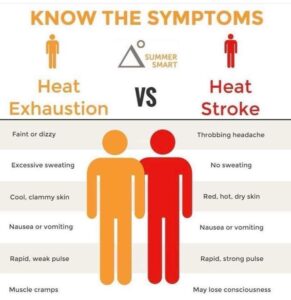
Heat can be hard on the heart. Very hot climates can make your heart work harder. I once thought a breezy beach would be fine, but even mild heat left me more tired than expected. Shade, hydration, and slow afternoons became my best friends.
Cold can be tricky too. Cold weather can tighten blood vessels and trigger symptoms in some people. If you’re dreaming of skiing or snowy landscapes, talk to your doctor first.
Altitude matters. High altitudes have thinner air, which can make you breathless more quickly. If you’ve had a heart attack or surgery, it’s usually safer to stay below around 2,000 metres (about 6,500 feet) unless your doctor says otherwise.
And if you have COPD. Altitude can affect oxygen levels even more. You may find high places uncomfortable or tiring.
Wherever you go, check the medical access. This isn’t about fear, it’s about peace of mind. Know where the nearest hospital or pharmacy is. Save the local emergency number in your phone. It’s like packing an umbrella: you hope you won’t need it, but it’s comforting to have.
Short‑Haul, Long‑Haul, and Everything In Between
I won’t lie, the idea of flying again terrified me. Airports felt overwhelming, and the thought of being in the air made my heart race. But flying is something many people with heart conditions do safely every day.
Here’s what helped me:
A simple rule. Some clinicians use a rough guide that if you can climb two flights of stairs without symptoms, you may be fit to fly. But, and this is important, it’s only a rough idea. Your doctor’s assessment is what really matters.
Short‑haul flights. These can be a great first step. It’s what I did and it allowed my confidence to grow. Less time in the air, less sitting still, and usually less stress.
Long‑haul flights. These require more planning, especially because of the DVT (Deep Vein Thrombosis) risk. Long periods of sitting can increase the risk of blood clots. General travel advice often includes:
- Moving your legs regularly
- Walking around the cabin when it’s safe
- Staying hydrated
- Wearing loose clothing
- I always use compression stockings; I have some fancy colourful ones – one pair has an ECG pattern
Other concerns might be. Remember that cabin air has lower humidity and slightly lower oxygen levels. If you have a COPD diagnosis, you may need oxygen arranged through the airline. This is something your doctor can assess and help you plan for.
If you have a pacemaker or ICD, you can show your device card and ask for a hand check. Security staff are used to this – you won’t be the first or the last.
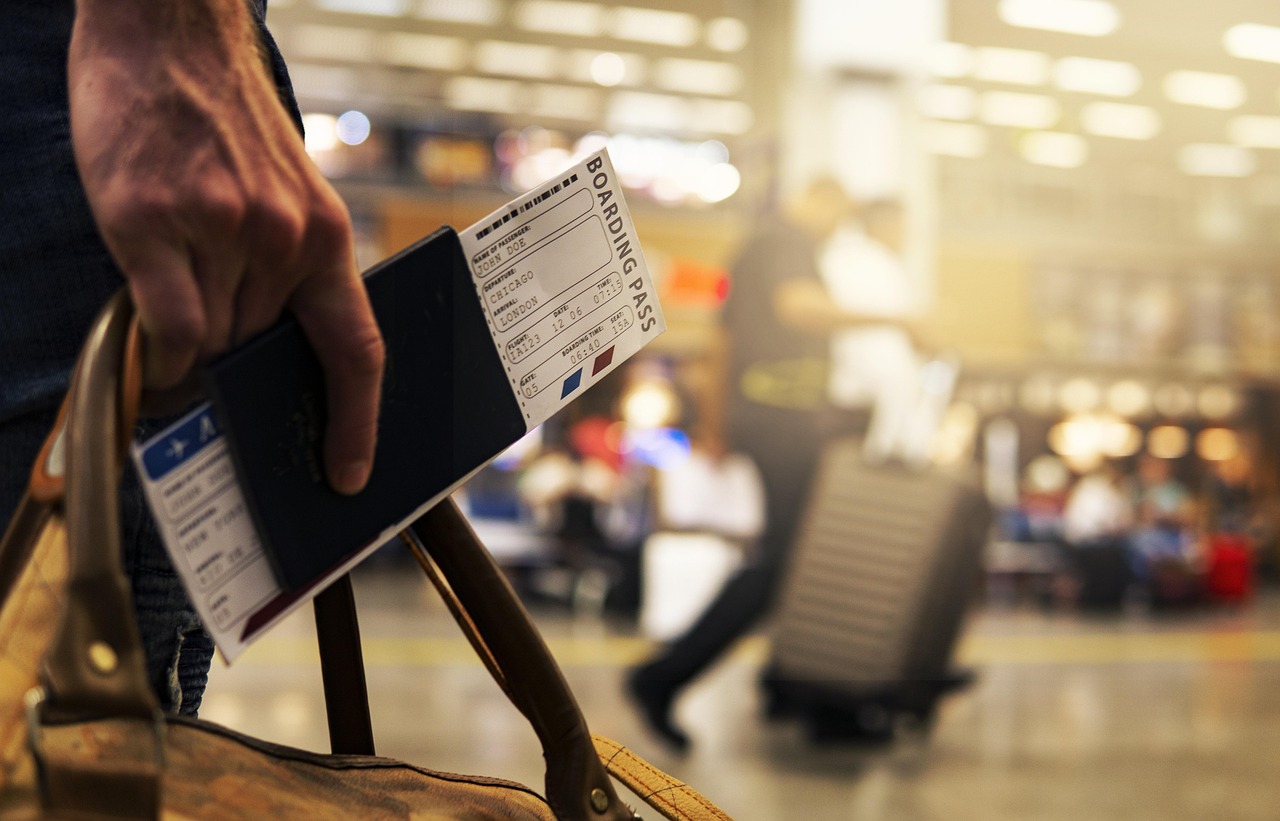
Packing: Your Heart’s Travel Kit
This part surprised me, packing for my heart took more thought than packing my clothes.
Here’s what I suggest you pack:
- Enough medication for the whole trip plus extra.
- All meds in your hand luggage. They should be in the original packaging, and that can take up quite a lot of room! It’s worth a check with the country you are travelling to.
- A written list of medications (brand and generic names). If travelling somewhere non‑English speaking, a translated medication list.
- A summary letter from your doctor.
- Any device ID cards (pacemaker, ICD, stents, etc.).
- Don’t forget any Advance Care Directives (like DNR or No-CPR orders). If you have them, take a copy with you, preferably translated.
- If you have COPD, you might also bring information about your oxygen if your airline requires it.
It sounds like a lot, but once you’ve done it once, it becomes second nature.
Travel Insurance: Absolutely Essential
Travel insurance is non‑negotiable. And yes, it can be more complicated after a heart event but it’s absolutely possible. It’s always best to shop around; using comparison sites can be useful as the first step.
Wherever you live the US, Canada, Australia, New Zealand, or the UK, the key is the same:
- Declare everything honestly.
- Look for insurers who cover pre‑existing conditions.
- Read the fine print carefully.
- Take out insurance the moment you have booked your holiday. You are then covered for anything that happens that might cause you to have to cancel your holidays.
If you’re from the UK and travelling in Europe, a GHIC card can help with state‑provided emergency care, but it does not replace insurance.
You’ve Arrived: Listening to Your Heart
The first time I went away after my heart attack, I expected to feel fragile. But what surprised me was how alive I felt, once I slowed down enough to notice it.
Here’s what helped me enjoy the holiday instead of worrying through it:
- Drinking plenty of water. (Always abide by your cardiologist’s guidelines)
- Taking breaks without guilt.
- Walking at a gentle pace.
- Avoiding the hottest part of the day.
- Paying attention to how my body felt.
- Resting when I needed to.
- Pacing myself.
- Avoiding smoky or polluted areas can make a big difference.
And if anything feels wrong – chest discomfort, dizziness, unusual breathlessness – seek medical help. Not because you should panic, but because you deserve to feel safe.
A Heart‑Smart Travel Checklist
Here’s a simple list I use every time:
- Talk to your doctor or specialist.
- Choose a heart‑friendly destination.
- Plan your flights with care.
- Pack your medications and documents.
- Arrange travel insurance (from the day you book).
- Stay hydrated and pace yourself.
- Listen to your body.
- Give yourself permission to enjoy the moment, relax and live the life you love.
From One Heart Survivor to Another
If you’re scared, I get it. If you’re hesitant, I’ve been there. If you’re wondering whether you’ll ever feel “normal” again, I’ve asked myself the same thing.
But here’s what I learned over the years. Travelling again isn’t just about seeing new places. It’s about reclaiming a part of yourself that felt lost. It’s about proving, gently, patiently, that your life didn’t end with your heart attack, heart surgery or cardiac diagnosis. You can start travelling abroad on holiday with a heart condition.
You’re still here. Your heart is still beating. And the world is still waiting for you. When you’re ready – truly ready – take that step. Not because you’re fearless, but because you’re brave enough to go anyway.
And trust me… that first sunset in a new place feels different. It feels like hope.
So that’s it for me today, I’m now off to sort out some dates for my trip so they are fixed in my calendar and I have something to look forward to. Until next time, take care of your heart and your mind.
Some Holiday Reading
- Beyond the Beat – Your guide for before, during and after heart surgery or a heart attack for emotional resilience.
- The Beat Goes On – Supporting you with the practical and emotional side of life when living with heart disease when you’re first diagnosed.
- Cognitive Cardio Puzzles – Pass the time, stimulate your brain, and learn more about your heart health during cardiac recovery
Where to Listen to Other Episodes
Click a button below ⬇️⬇️⬇️⬇️⬇️⬇️
 |
 |
 |
 |
 |
 |