Vasodilators are used to ease chest pain, and to treat and prevent angina. They help by relaxing and widening your blood vessels, reducing blood pressure, and lowering the heart’s workload, which can relieve angina symptoms. A category of vasodilators called nitrates helps improve oxygen supply to the heart while reducing its workload, which can ease chest pain. Usually, you will use a vasodilator long-term, sometimes for the rest of your life.
Listen here and read on for more….
Types of Nitrate Medicines
There are two types of nitrate medicines:
Short-acting nitrate medicines relieve angina symptoms within a few minutes. These are taken as a sublingual spray or tablet, and in some cases, as a topical application (cream) for prevention rather than rapid relief. They are absorbed through the lining of your mouth into your bloodstream. The most common short-acting nitrate medicine is glyceryl trinitrate (GTN).
Long-acting nitrate medicines prevent angina symptoms. They do not relieve an angina episode within minutes. These are usually tablets that you swallow whole (you do not put them under your tongue like short-acting nitrates). Nitrate medicines may also come as patches, which gradually release the medicine through your skin.
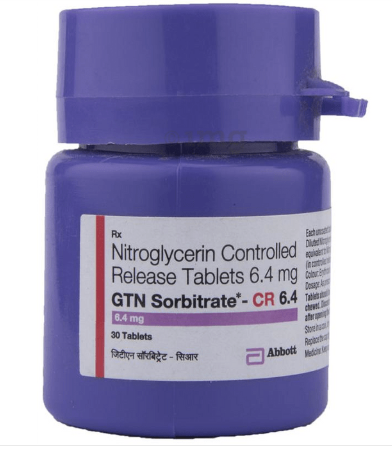
Nitrate: Glyceryl Trinitrate (GTN)
Your GTN spray or tablet is a nitrate. Nitrates relax your coronary arteries and allow blood to reach the heart muscle more easily. Always keep your GTN spray or tablet with you in your pocket or bag. In some countries, emergency GTN sprays are available from your pharmacist without a prescription. Always read the instructions and check expiry dates.
Common vasodilators prescribed include:
- Isosorbide dinitrate (Isordil)
- Isosorbide mononitrate (Imdur)
- Hydralazine (Apresoline)
- Nitroglycerin (Nitro Bid, Nitro Stat)
- Minoxidil*
*Note: Minoxidil is more commonly used for severe hypertension than for angina.
When to use your Short Acting GTN medications
You should use GTN spray/tablets at the first sign of an angina attack (chest pain or discomfort). You can also use it a few minutes before any activity or stressful situation you know is likely to cause angina, such as exercise or climbing stairs.
How to Take GTN Tablets
- Sit down.
- Put a tablet under your tongue and close your mouth.
- Allow the tablet to dissolve slowly — do not suck, chew, or swallow it.
- Close the container — this is important so that your tablets do not lose their strength.
- Rest for a while, then stand up slowly.
- It’s a good idea to have a spare, unopened bottle of tablets. Make sure you don’t run out.
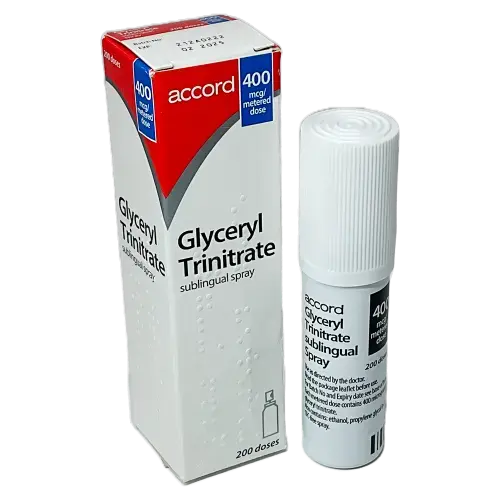
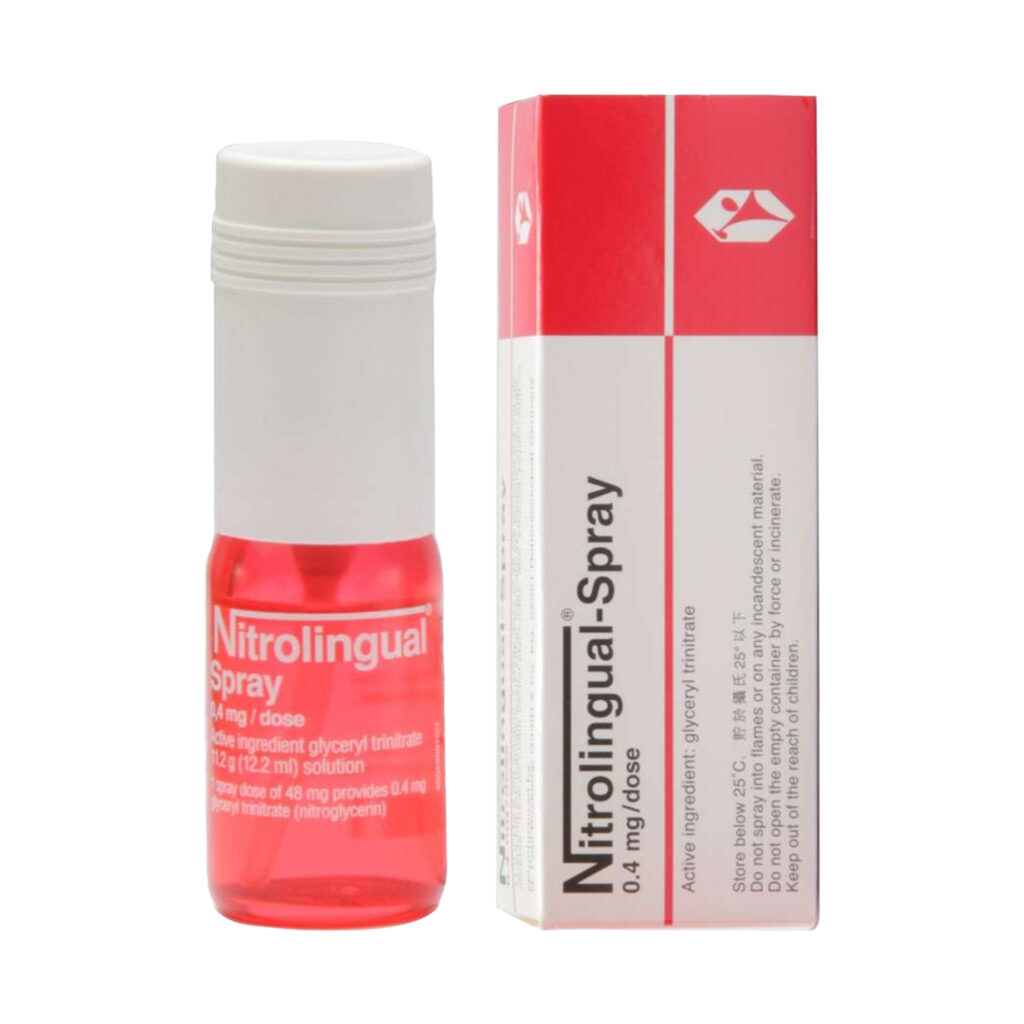
How to Use GTN Spray
Before using your spray for the first time, check it’s working by pressing the button on the nozzle a few times until a fine mist comes out. Do a test spray onto a tissue so you know how it works.
- Sit down.
- If you haven’t used your spray for over a week, do one spray into the air before use.
- Hold the nozzle in front of your mouth with your finger on the button. Take a deep breath.
- Open your mouth and lift your tongue.
- Spray under your tongue by pressing once firmly – do not inhale while spraying.
- Close your mouth immediately.
- Breathe through your nose, keeping your mouth closed.
- Rest for a while before standing up slowly.
- It’s a good idea to have a spare spray. It can be difficult to tell how much is left in a bottle, so make sure you don’t run out.
When to Call 999, 911 or Emergency Services
If you have taken 2 doses of GTN and are still in pain 5 minutes after your 2nd dose, or your pain is getting worse, or you feel unwell, call Emergency Services immediately. These are signs that you may be having a heart attack. If in doubt, check it out!
One dose = 1 tablet or 1–2 sprays.
Common Side Effects
These are some of the common side effects that occur in more than 1 in 100 people. Some are less likely if you’re using skin patches. It’s important to talk to your doctor or pharmacist if these side effects are bothersome or last more than a few days:
- Headaches (very common)
- Feeling dizzy
- Feeling weak, tired, or sleepy
- Feeling sick (nausea)
- Red face (flushing)
Summary
In summary, vasodilators play an essential role in managing and preventing angina, helping to relax and widen your blood vessels, improve blood flow to the heart, and reduce its workload.
Understanding the differences between short-acting and long-acting nitrates and knowing how to use GTN tablets or spray safely can empower you to manage chest pain effectively and respond quickly in an emergency.
Always follow your doctor’s advice, keep spare medication on hand, and be aware of potential side effects. With careful use and awareness, vasodilators can help you maintain your heart health and live confidently while managing angina.
Always check with your medical practitioner, cardiologist, or pharmacist about the correct way to take your medication. As it may differ from person to person, country to country.

Get Your FREE Heart & Angina Symptom Word Bank and Journal
Keeping track of your symptoms, the severity, frequency and any patterns can be really useful for yourself and your medical team.
It helps build a picture over time and may highlight patterns that can help you and your medical team manage it more effectively.
This journal and word bank is easy to use.
It’s time to reclaim your life and begin your healing journey!
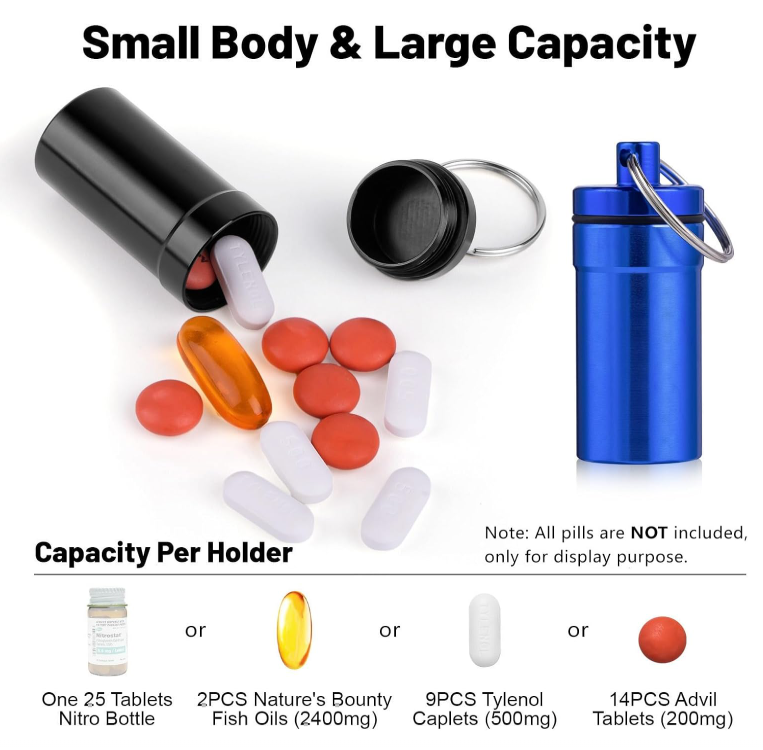
Keychain Nitroglycerin Pill Case
Small 2 Pack Portable Purse Pocket Travel Pill Box Holder Container.
Various Colours
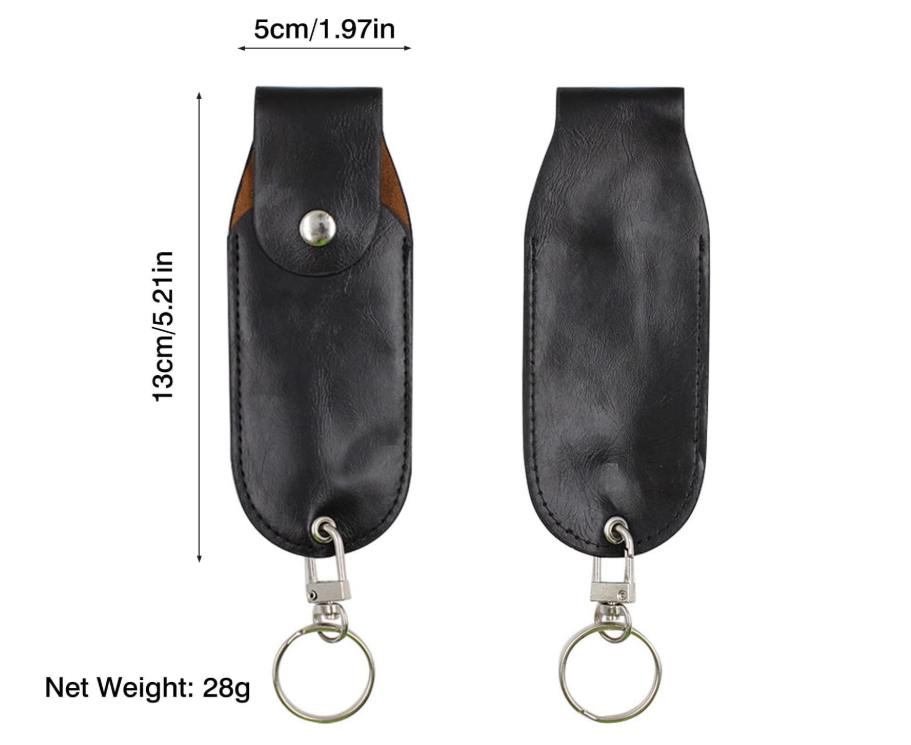
Protective Leather Holster
With Top Flap Hook & Loop Closure.
Portable Spray Storage Holder Pouch,
(Various Colours)
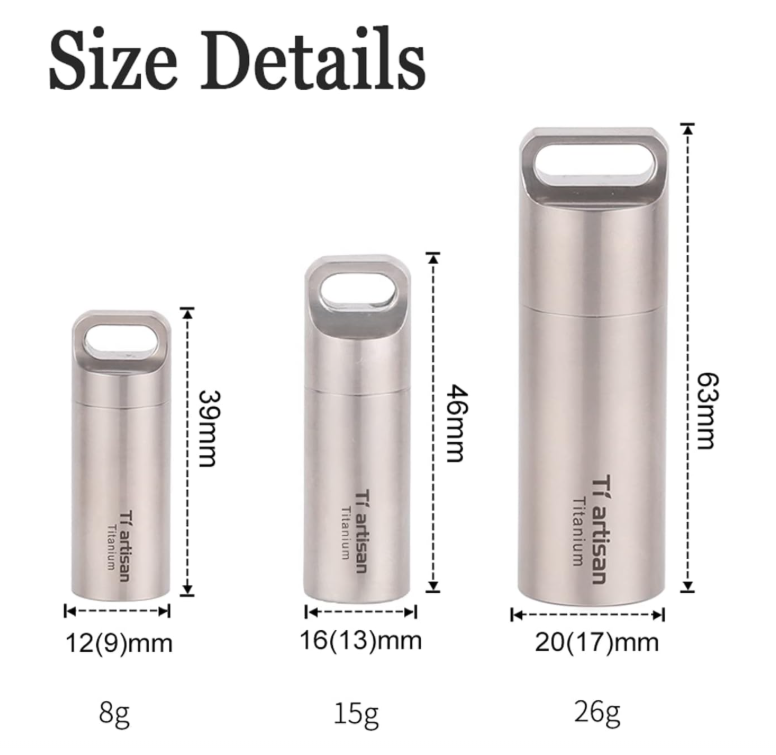
Small Nitroglycerin Pill Holder
Titanium Pill Case Necklace or Key Chain. Waterproof Pill Container.
Travel Pill Organiser for On The Go