Death is one of those subjects none of us likes to think about, let alone talk about. And yet it is a natural part of living, something we will all face, whether sooner or later. The good news is: it doesn’t have to be a scary process. With gentle planning and open conversations, the journey through end‑of‑life care can become peaceful, even beautiful.
Listen here and read on for more ….
In this article, I share not only practical steps for planning ahead, but also my personal story, how I lost my father and later my mother, learned what they truly wanted, and how that inspired me to draw up my own wish. It’s okay to talk about this. It’s okay to laugh, to cry, to choose music you love. And above all: you are still very much here.
Why We Plan: The Gift of Peace
When we make decisions about our care, our legacy, our farewell, we’re not just ticking boxes, we’re giving ourselves and the people we love a gift of clarity, comfort and dignity.
Research in the UK shows that planning ahead helps make sure that other people know what’s important to you and what you’d like to happen.
Currently, high‑quality end‑of‑life care means you and your loved ones should be at the centre of decisions, you should have dignity and comfort, and your wishes should be known and respected.
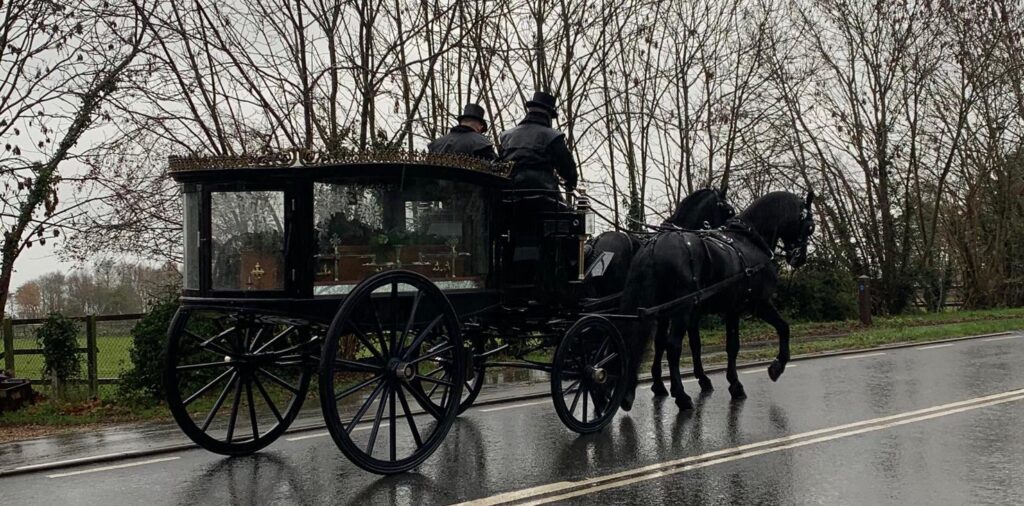
My story: when my father died, I knew he wanted a horse and carriage and that he wished for cremation. When my mother died, I knew she wanted a limousine, and her playlist of songs. It was still painful but knowing what they wanted brought comfort. And so now I’m compiling my own list: horse and carriage, celebrant ceremony … I’m still choosing the music!
Planning doesn’t diminish life it honours it. It means you get to live fully, while the practical things are gently looked after.
Opening the Conversation: Talk About Death & Dying
Let’s be honest: talking about death is hard. But the best way to reduce fear is to talk about it openly and (yes) frequently. It may sound like the last thing you want to do… but believe me, it helps.
Here are some compassionate ways to approach it:
- Choose a quiet moment; invite someone you trust.
- Start small: “I’ve been thinking about what I’d like if my health changed…”
- Ask open questions: “If you ever couldn’t decide for yourself, how would you feel about CPR? Or organ donation?”
- Make it as loving as possible: “This helps me feel peaceful, and I hope it helps you, too.”
- Compassion in Dying have a guide and they recommend early conversations help you feel more prepared, less alone.
Tip: Keep it simple. You don’t have to make all the decisions in one go. Start with one wish, share it, update it. Because as life changes, so might your preferences.

Medical & Care‑Planning Essentials
You probably know that we all have choices about how we receive medical care as we near the end of life. But reminding ourselves of what that means in gentle practical terms can be very helpful.
What we can choose:
- The place of care, such as home, hospice, hospital.
- Whether certain treatments are wanted or not (eg: CPR).
- Organ donation, if you are willing.
- Writing down your wishes in an Advance Care Plan/Living Will so your family and medical team know them.
What this brings:
- Your voice is heard (even if you can’t speak yourself).
- Loved ones feel less burdened with “What would they have wanted?”
- You may still choose joy, comfort, dignity – right up to the end.
Personal note: It’s still your life. You are very much here. Getting these things sorted frees you to live well -rather than worry in the background.
Where and How: Your Preferred Setting
Many people prefer to be cared for at home, surrounded by familiar comforts. Others might find more peace in a dedicated hospice or even hospital. Each option has its own strengths — the core is that you choose what matters most to you.
- The NHS emphasises that people approaching end of life should be able to express where they’d like care and death to happen.
- The Marie Curie organisation explains that home, hospital, hospice — the key is making decisions and sharing them.
- Having a plan means your carers, family and friends can support your wishes and organise accordingly.
Questions to ask yourself:
- “If I could choose, where would I like to be cared for?”
- “Who would I like with me?”
- “What small comforts would make a big difference (music, lighting, pets, photos)?”
- “If home isn’t possible, what would feel ‘most like me’ in a care facility?”
By answering even a few of these, you’re turning a scary “what‑if” into a meaningful “what I wish.”
Funeral, Will & Your Unique Farewell
Because yes, we get to make choices about how we leave this world. Many people haven’t thought about it, because it seems too final, or fear upsetting others. But in fact, choosing ahead brings relief.
What you can decide:
- Burial vs cremation.
- Style of ceremony (religious, humanist, celebration, quiet).
- Specific touches you’d love (for me: horse and carriage).
- Music, readings, dress code, after‑party (yes — you can design your farewell!).
- Writing a will and appointing a Power of Attorney so your loved ones aren’t guessing.
Why it matters:
- Loved ones feel guided and confident about what you wanted.
- You get to ensure you’re remembered your way.
- It removes worry and confusion during a time of grief.
My example: My dad’s horse and carriage. My mum’s limousine and her playlist. When I think of them, I don’t just remember grief – I remember their personalities, the choices they made. That means everything to me.
Funeral planning can even be fun. Choose the songs you love. Invite people you adore. Ask guests to wear something cheerful. Let them raise a glass (or a smile) to you.
Living Your Days with Intention
Once your key wishes are in place, the most important thing: live. Your time now matters. You are here. So, let’s live with more intention, more love, and more peace.
- Keep your normal routines where you can.
- Do things that make you feel alive: a haircut, a manicure, a walk in nature.
- Spend time with friends and family. Laugh. Share stories. Say what you want to say.
- Let go of regrets. Everything that happened shaped you – and you’re still here.
- Embrace sunlight, fresh air, little joys.
Again, from the NHS: good end‑of‑life care is about helping you live as well as possible until you die and then to die with dignity.
A Practical Guide and Checklists (Just for You)
Here are 3 simple frameworks you can use to get started. Just click any image to download your free pack, which you can adapt, scribble on, and change.

Overcoming Fear and Gentle Reminders
Facing death doesn’t mean giving up. It means choosing how to end beautifully – with authenticity, choice and love. It’s okay to feel afraid. It is okay to feel tearful. And it’s okay to laugh when choosing your send‑off playlist!
Here are two gentle reminders:
- Fear decreases with conversation: The more you talk, the less the unknown looms.
- Ambiguity burdens others: Clear wishes lighten the load for those you love.
And as always: you don’t have to do it alone. Reach out to your doctor, or to a community like mine. In the UK we have organisations such as Carers UK, Age UK and Hospice UK have guides full of kindness and practical help. Take some time to check out what support is available in your own country
My Personal Promise to You
I know this is sensitive. Scary, maybe. But I promise you: kindness wins. Clarity calms. And love always remains.
If you’re reading this because you’re thinking of making your wishes known, or you’ve recently cared for someone you love, or you’re simply curious. You’re not alone. We’re in this together.
Choose the horse and carriage if you want. Pick the playlist that makes you grin. Set your horse‑and‑carriage music to whatever makes you feel alive. Because when the time comes, your farewell will reflect your life – beautiful, unique, heartfelt.
Take a breath. And when you’re ready, pick just one wish and share it with someone you love. That one step is a beautiful act of courage and compassion.