
I’m sure many of you have heard of rehabilitation in one form or another. Most likely, you know about cardiac rehabilitation, but is prehabilitation really a thing?
In the unpredictable world of heart health, prehabilitation can be just as crucial as rehabilitation for heart surgery. There is evidence in cancer and cardiac patients that preparing yourself mentally, emotionally, and physically makes a difference in your recovery.
What is Prehabilitation?
Put simply, prehabilitation is making changes in your life and mindset to aid your recovery following surgery.
This includes making positive changes to the way you think about your surgery, how you are feeling, and making changes to your physical everyday life. Having a positive outlook and making these changes to your routine reduces the risk of complications following heart surgery and also speeds up your recovery post-op.
It makes sense when you think about it. It is like you are training before a race, or cleaning the house before the family comes over. The more you prepare, the easier it is during and after the event.
Listen here and read on for more ...
Getting Ready for Your Heart Surgery
Here are some tips to help you get ready, to get you started and get you thinking about your own prehabilitation if you are currently waiting for your operation date to arrive.
Risk Reduction
Starting with what is probably the most important one: reducing the risks of complications after surgery. Lifestyle changes such as stopping smoking, reducing or cutting out alcohol intake, and improving your sleep pattern can greatly reduce the time it will take for your body to recover and lessen the risk during surgery and with the anaesthesia.
As in previous articles, stopping smoking is one of the best things you can do for your health. Lowering your cholesterol and improving your lung health will aid your recovery post-op. It helps reduce the risk of chest infections and complications during and after surgery. (Not to mention you will feel a sense of accomplishment in doing so!) The same goes for reducing your alcohol intake.
Getting in your 40 winks (or 8 hours a night) vastly improves your health and sense of well-being. Your body regenerates and recovers whilst you are asleep, giving you more energy in the day and a better mindset.
Cardiac Breathwork
“Inhale, Exhale” Taking deep breaths before your surgery sounds like such a small thing to do, but it helps keep your lungs clear and reduces the risk of chest infections. It is good to practice deep breathing now before your surgery to keep your mind focused and calm.
It can feel difficult to do, but continuing deep breathing exercises will help aid your recovery. Every 15 minutes or so, sit and take a deep breath. Always follow your cardiac team’s advice though.
Good Nutrition
Good nutrition and heart health go hand in hand. Eating the right things can drastically improve your immune system, which will help speed up your recovery following surgery. The right nutrients will also help with healing your cardiac tissues. It also improves your mental health. Yes, food really is good for the soul!
So, this is the time to ditch the takeaway menus and throw out the deep-fat fryer! Fill your fridge with fruits and vegetables and make a note of how you can get your 5-a-day into your diet.
Swap the white grains for brown ones, including bread, pasta, and rice. Using healthy fats like Olive oil, Avocados, and nuts in your cooking and filling your plate with protein (chicken, fish, eggs, etc., but easy on the red meat) all help heart health.
It may feel like a marathon to start cooking after your operation. One of the best ways to get around this is by batch cooking! Take the slow cooker out and make your favourite stew or soup to put in the freezer. All you will need to do then is defrost and heat it on the days when standing at a cooker may seem too much.
There are also some great companies now that will send you healthy and nutritious meals to your door, ready to heat. And if all else fails, preparing your family, friends, or neighbours to come and help you in the kitchen will be a nice break for you in your recovery.

Appropriate Exercise
This may sometimes feel like the last thing you want to do pre or post-surgery. However, exercise is the most underutilised tool for improving mental health, emotional well-being, and immunity (as well as physical health of course).
Before going ahead with exercise when living with a heart condition, always speak to your cardiac specialist in advance, depending on your condition will determine what exercise/activity you can safely undertake. Your cardiac team will give you all the advice and guidelines you need.
Plan on improving your stamina, strength, and flexibility. These all help your resilience to treatment and surgery. As your heart and lungs will be working twice as hard during your recovery, helping them now get in good shape is the best thing you can do.
Make sure you have a positive outlook toward exercising. It doesn’t have to feel like a punishment on your body. It is meant to be enjoyable. The motivation to start is a small hill to overcome, but you will feel the benefits straight away if you think positively and motivation will follow.
Walking is a great way to start. Just get moving! Even if it’s to the end of the road and back again! Everyone has to start somewhere. Build it up day by day.
If you are a gym person, then go and start with 10-20 minute sessions, maybe just walking or cycling. Nothing too drastic. Only do what you’ve been advised you can do safely.
Take a friend with you, you can keep each other motivated.
If you are overweight, then exercising and a change of diet is a must. Any doctor will tell you that being overweight can increase the risk of complications during surgery and can slow down your recovery, so losing some weight, even a little, beforehand will certainly help.
These exercises will generally improve your recovery, however, make sure that you don’t overdo it. Too much exercise can cause more harm to your body if not done properly.
Be Practical
There may be some things that you haven’t even thought about in terms of your general day-to-day life following surgery. Think of things like your finances, preparing your house for your homecoming, medication and pain relief, and preparing your family and friends. Asking these questions and what to expect will prepare you for how you will feel post-op.
If employed, make sure your employer has your operation date and an approximate time for recovery. I’m sure your employer will be supportive during this time but putting your own mind at ease, knowing that work can be the last thing on your mind post-op is key. Hopefully, there is a sick leave payment in place but if not, look at your government website or your bank for any other help you can get during this time.
Make sure your house is prepared for your recovery. You will need to rest so make sure everything is within reaching distance of your bed or sofa. Make sure your medication and pain relief are within reach and stocked up. Give yourself things to do like reading magazines and books, and watching your favourite movies. Lastly, stock up the fridge with healthy snacks.
Your family and friends will want to help you during your recovery and you should let them. It’s not to intrude on your life or tell you what to do, but accepting some help will give you time to rest. Make sure they know the dates and what will be happening and any medication you need to take and when. Any information they can get on helping you with recovery will give you peace of mind that you are not going to be alone and it is good to talk!

Your Wellbeing
It is very easy to forget about your mental health when all this is going on. It can feel like you are in a whirlwind and it can get overwhelming. Stress, fear, and anxiety can creep in very easily and it is important to recognise when these feelings arise.
In general, having a positive mindset on all the points above will help your mind focus on your recovery and not the operation itself. However, it is ok not to be ok. Recognising these intrusive thoughts and feelings and taking the time to deal with them is the most positive thing you can do.
Write down your thoughts and feelings when you have them. If you can, share them with your family and friends or a therapist or doctor. Talking your feelings through with someone will help you to cope with them.
Ask any questions you need to with your doctor or cardiac team. It may be daunting finding out what is going to happen or how the procedure takes place, but it is all part of your preparation, and keeping in your mind that this procedure is going to help your heart and your future lifestyle is the best way to look at it.
I know some of you will be waiting for your operations longer than others. Whatever the wait is before your operation, use this time to prepare your body and mind for a better recovery. Even if it is only a matter of days before your operation, doing these things now all helps.
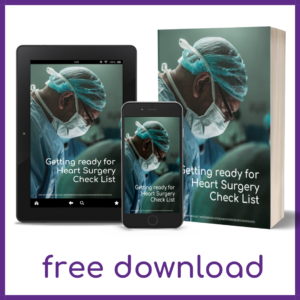
It leaves me to wish you well and suggest that you download my checklist to help you prepare and get ready for before, during and after your surgery. Good Luck.
Where to Listen to Previous Episodes
Click a button below ⬇️⬇️⬇️⬇️⬇️⬇️
 |
 |
 |
 |
 |
 |