
Can one small device, once it’s no longer needed, continue to bring hope, healing, and connection across the world?
When someone shares a post on Facebook saying, “You can include your pacemaker in your will and donate it after you die,” it often stops us mid-scroll. There’s a tender mix of sadness, curiosity, and deep hope in something like that because, at its heart, it speaks to something profoundly human: wanting our life to mean something more, even in the things we leave behind.
For pacemaker patients, family members, and caregivers, that question “What happens to a pacemaker that’s no longer needed?” is both practical and philosophical. And it matters because many people want to make a meaningful choice about that little device that did so much for them.
Let’s walk gently through the real story. At the time of writing, it is as accurate as I can research, emotionally grounding, and truly empowering. I hope you can decide how you want to approach this in a way that honours both your heart and your values.
Listen here and read on for more ...
What Happens to Pacemakers When They’re No Longer Used?
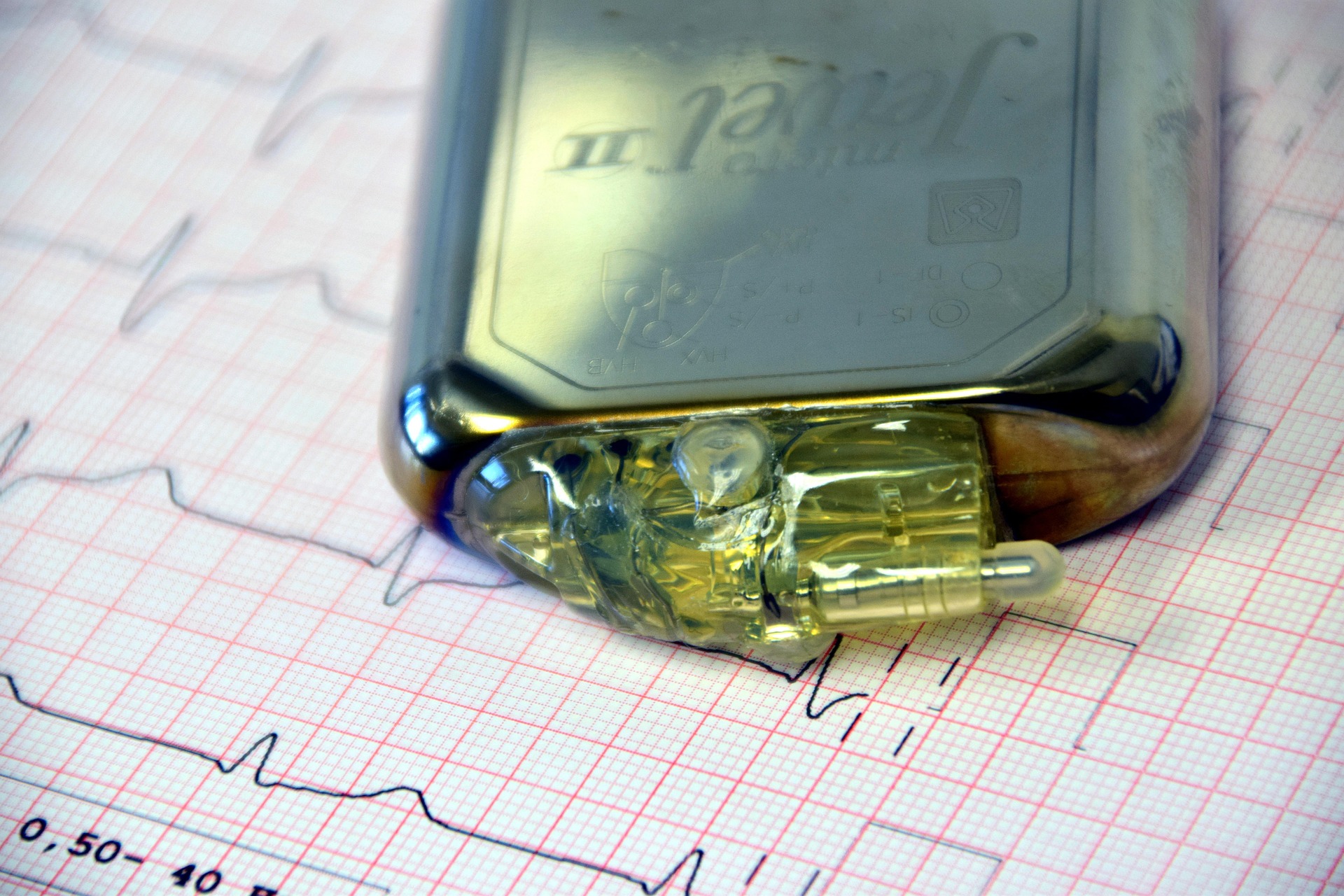
Pacemakers and similar cardiac devices like implantable cardioverter defibrillators (ICDs) are remarkable medical technologies. They’re designed to help regulate heart rhythm and can dramatically improve quality of life. But these devices also have a finite battery life, often several years, and are replaced when that power runs low or an upgrade is needed.
Once a pacemaker is removed:
• In many countries, it is treated as medical waste, meaning it’s disposed of after explantation.
• In some cases, it may be removed before cremation to prevent risks in the crematorium.
• And in some systems, it may be collected for potential reuse or recycling but the circumstances vary from place to place.
So, the answer isn’t one simple story everywhere it depends on where you are, what the laws say, and what programs exist to give that device a second life.
A Second Life: Pacemakers That Still Have Purpose
Here’s something beautiful and true: many pacemakers have years of battery life left when they are removed. Devices are often replaced long before they reach the end of their useful lifespan, sometimes because the patient needs a different technology. Sometimes because of disease progression, and sometimes even when the patient passes away while the pacemaker still works.
Because of that, several programs around the world have developed methods to collect, test, and repurpose these devices for patients who might otherwise not have access to this lifesaving therapy.
Project My Heart Your Heart
This is one of the most well-documented and active efforts in this space. Based out of the University of Michigan and World Medical Relief, this program:
• collects explanted pacemakers and ICDs,
• evaluates them, measures their battery life and function,
• and then sorts and prepares them for reuse in places where people have no access to these devices otherwise. (United 2 Heal Project My Heart Your Heart)
The project has received specific approvals to export refurbished devices to medical centres in low and middle income countries. It has already seen pacemakers implanted safely in patients in nations like Kenya and Sierra Leone, among others. (World Medical Relief Pacemaker Programme)
Researchers involved in this work have also begun formal clinical studies to assess outcomes. To help show the world that this is not only feasible but also safe when done with careful protocols. (WDIV)
These initiatives remind us that a pacemaker doesn’t lose meaning the moment it’s replaced. Sometimes it can help someone far beyond our immediate view.
What the Law Actually Says
One of the most important parts of this conversation, especially for patients and caregivers, is understanding what is allowed in your own country.
United States
In the U.S., pacemakers and ICDs are legally classified by the FDA as single‑use medical devices. That means they cannot be re‑implanted into another patient within the United States under ordinary medical practice. Further reading: Should pacemakers, defibrillators be recycled – and reused in others?
However, programs like Project My Heart Your Heart have worked with regulators to collect and recondition devices. These are then exported to other countries where they can be implanted in patients who otherwise would have no access to care. Those programs operate under strict oversight and approval processes.
United Kingdom
The same in the UK, devices are also considered single‑use and are not routinely reused for another patient in the UK’s healthcare system. But charities and partnerships exist, such as with Arrhythmia Alliance Pace4Life. They collect pacemakers and facilitate donation for reuse or recycling with consent from the family.
There’s even coordinated metal recycling schemes at some crematoriums. They collect pacemakers so they can be passed to organisations that help reuse them for life‑saving care abroad, giving them a second and meaningful purpose. ICCM Recycling of Pacemakers Scheme
Canada, Australia, and New Zealand
Again, in all of these countries, pacemakers are treated as regulated single‑use devices that are not commonly reused in other patients domestically. That said:
-
- Community and charitable efforts do exist in some regions to help facilitate donation for international programs.
- Some local trusts and initiatives have been exploring how to collect, test, and export devices to partners overseas.
What this means in practical terms is: it’s not routine practice to re‑implant an explanted pacemaker locally in these countries, but there are pathways to donate them to global efforts in ways that meet local law and ethical standards. I couldn’t find anything specific, but you can contact Arrhythmia Alliance Pace4Life.
What About the Idea of Donating to Animals?
Some Facebook posts mention donating an explanted pacemaker to help a pet dog or other animal. It’s a touching image — and the reason it resonates so deeply is emotional and heartfelt.
Here’s the realistic picture:
-
- Veterinary use of human pacemakers was more common in the past, especially in places where veterinary pacemakers were not readily available.
- Some clinics have in the past used explanted human pacemakers to help dogs or other animals with heart rhythm issues, sometimes with good outcomes.
- Whether this is possible today depends on the region, the veterinary clinic, and the availability of appropriately sized animal devices.
In short: donation for veterinary use may be possible in some cases, but it’s not universally available and depends on local veterinary cardiology practices. It’s always best to contact a veterinarian or animal charity directly if this is something you’re exploring.
During my research, I have found that at least two veterinary schools in the USA. The University of Georgia and the University of Tennessee have placed recycled pacemakers in animals. In the UK, Liverpool University Veterinary Department also accept them. If you are interested in this, it is worth contacting Veterinary Hospitals in your country to find out if they can take them and use them.
NOTE: If you find any that do, please drop me a line at sallie@myheartandmind.co.uk, I would be keen to start a worldwide directory.
Recycling vs. Reuse — What’s the Difference?
It helps to think about this in two parts:
Reuse: This is when a device that still has functional life left is inspected, cleaned, and repurposed typically for another person who needs it. Programs like Project My Heart Your Heart focus on reuse for humanitarian medical care.
Recycling: This refers to breaking down the device for its parts, metals like titanium, and other recyclable materials when the device cannot be reused for medical purposes.
This prevents environmental harm and reduces medical waste. Both have value, and families can decide, with consent, whether they wish for the device to be reused or recycled.
Why This Matters — Beyond the Science
From a technical standpoint, pacemaker donation and reuse programs are fascinating. But more importantly, they matter deeply to the human heart.
For those with pacemakers: Knowing your device might still help someone else, even halfway across the world, can bring a profound sense of purpose, meaning, and peace.
For families after loss: Being able to say, “Yes, this small piece of their body continued to help others after they were gone” can be a touching part of legacy and healing.
For global health: Millions of people worldwide die each year because they lack access to even one pacemaker. Even a handful of donated devices can make an enormous difference in a family’s life and a community’s future.
For the planet: When devices are reused or responsibly recycled instead of disposed of as hazardous waste, we reduce environmental harm and honour resources.
How Families Can Act
If you’re thinking about this for yourself or someone you love, here are steps that many families have found grounding and helpful:
-
- Have the conversation now. Talk with your loved ones about what you want to happen with your pacemaker when it’s no longer needed.
- Ask your clinician or cardiology team whether the hospital has a preferred process for device donation or recycling.
- Contact a charitable programme directly if you want to donate the device for humanitarian reuse (e.g., Project My Heart Your Heart or similar organisations) and ask how they handle consent and transfer.
- Include your wishes in health directives or your will if you want to make sure everyone knows what you hope will happen.
These conversations can be tender, but they are also acts of generosity, gifts of intention that can bring comfort long before they bring action.
My Closing Reflections
At the end of the day, a pacemaker is more than metal and circuitry. It’s a symbol of love, of living, of endurance, of the rhythms that carry us through ordinary days and extraordinary ones.
When you read that familiar Facebook message – the one that circulates with hope and heart – and you wonder, “What could this really mean?”, know this:
You’re engaging with something human at its best, the wish that our lives, and the things that sustained them, could continue to give.
And in many cases, they can. Not everywhere, not always – but in ways that matter.
Whether it’s through a humanitarian reuse programme, responsible recycling, or simply choosing to have loving conversations about what comes next, your pacemaker can continue to be part of a story of compassion, connection, and care.
Your heart still has work to do and sometimes, so does your pacemaker.
Where to Listen to Previous Episodes
Click a button below ⬇️⬇️⬇️⬇️⬇️⬇️
 |
 |
 |
 |
 |
 |