
Pumphead and the Heart Brain Connection explained. If you are reading this, you’ve likely survived a major cardiac event and a complex surgery. You’ve been told the surgery was a success, and by all clinical markers, you are “mending.” Yet, inside, things feel… off.
Maybe you’re struggling to find the right words in conversation. Maybe you feel a strange sense of detachment from your loved ones, or an anxiety that doesn’t seem to have a source. In the medical community, this is often called Post-Perfusion Syndrome (PPS), AKA, “Pumphead.”
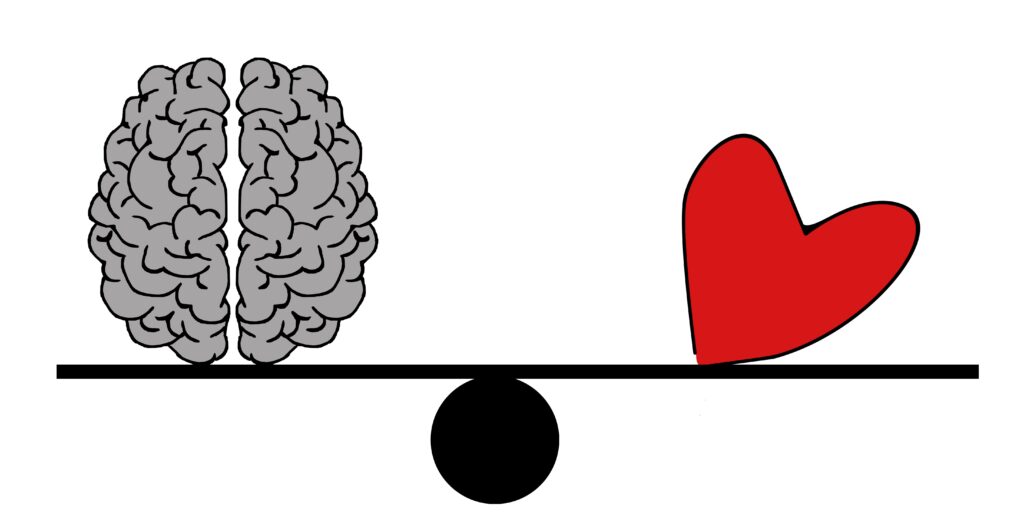
While traditional medicine looks at things like inflammation and blood flow, there is a perspective that looks at the heart and brain as a unified electromagnetic system.
Today, we’re going to explore the “Magnetic Field Theory” of Pumphead – not as a replacement for medical science, but as complementary to help you navigate your journey back to yourself.
Listen here and read on for more ...
What is Pumphead? The Physical Foundation
Before we dive into the energetic theories, let’s acknowledge the physical reality. During a bypass surgery, a heart-lung machine takes over the work of your most vital organs. While these machines are life-saving miracles, they are not biological.
The standard medical explanation for Post Perfusion symptoms includes:
-
- Micro-emboli: Tiny bubbles or debris that can temporarily affect small blood vessels in the brain.
- Systemic Inflammation: The body’s “alarm system” reacting to the bypass machine.
- Altered Perfusion: The difference between the steady, mechanical flow of a pump and the natural, pulsatile beat of a human heart.
Symptoms often include “brain fog,” memory lapses, irritability, and a general sense of being “disconnected.” For most, these fade within six months, but the experience can be deeply unsettling and may last longer.
The Magnetic Field Theory: A New Way to See the Heart
The “Magnetic Field Theory” suggests that Pumphead isn’t just about blood and oxygen it’s about information and rhythm. The Heart as an Electrical Powerhouse.
Did you know that your heart is the most powerful generator of electromagnetic energy in your body? Its electrical field is about 60 times greater in amplitude than the brain’s, and its magnetic field is up to 5,000 times stronger. This field isn’t just contained in your chest; it can be measured several feet away from your body using sensitive instruments.
The Heart-Brain Conversation
In a healthy state, the heart and brain are in constant communication. This isn’t just through nerves, but through electromagnetic entrainment. Like two grandfather clocks on the same wall that eventually swing in unison, the brain’s rhythms tend to synchronise with the heart’s powerful electromagnetic “pulse.”
The “Pause” and the “Desynchronisation”
During bypass surgery, the heart is stopped. The natural, rhythmic electromagnetic field of the body is essentially silenced or replaced by the steady, non-pulsatile hum of the bypass machine.
The theory suggests that when the heart is restarted, it doesn’t always “handshake” with the brain perfectly right away. Imagine two high-speed computers trying to sync data after a power outage if the timing is off by even a millisecond, the data becomes garbled. This “desynchronisation” between the heart’s field and the brain’s neural activity may be what manifests as that “spaced out” or “disconnected” feeling.
Why This Theory Resonates
While clinical trials are still catching up to the bio-energetic side of medicine, this theory provides a vital metaphor for healing. It validates the patient’s experience that “something deep inside feels out of sync.”
If we view PPS as a temporary loss of internal harmony, the goal of recovery becomes clear: We need to help the heart and brain find their rhythm together again.
Path to Recalibration: How to Alleviate Symptoms
Whether your symptoms are caused by micro-inflammation or electromagnetic desynchronization (or a bit of both), the treatment remains focused on soothing the nervous system and encouraging “coherence.”
Heart-Brain Coherence Training
One of the most effective ways to “re-sync” these fields is through Heart Rate Variability (HRV) training.
- The Practice: Using rhythmic, “heart-focused” breathing (inhaling for 5 seconds, exhaling for 5 seconds) while focusing on a positive emotion like gratitude.
- The Result: This creates a sine-wave-like pattern in your heart rhythm, which naturally “pulls” the brain’s electrical activity into alignment. It is essentially an “alignment tool” for your internal magnetic fields.
Added extra: If you use the Hand to Heart Touch, it helps activate parasympathetic pathways and increase heart-brain coherence.
-
- Place one hand on the heart, one on the belly.
- Breathe slowly until both hands rise and fall in a shared rhythm.
Grounding (Earthing)
If we consider the body an electrical system, then “grounding” becomes a literal necessity. Barefoot Walking on Natural Surfaces.
- How to do it: Spend time walking barefoot on grass, sand, or soil.
- The Theory: The Earth has a natural negative electrical charge.
Direct contact is thought to help “discharge” the static of a stressed nervous system and provide a baseline frequency for the body to settle into.
Added extra: Grass, sand, or soil can help you feel more “in your body.”
Gentle Rhythmic Movement
Slow rocking, swaying, or micro movements help regulate the limbic system and restore internal rhythm.
- Sit or stand comfortably.
- Allow the body to sway naturally with the breath.
- Keep movements small and soothing.
Cognitive Rehabilitation
Treat your brain like a muscle in physical therapy.
Puzzles and Games: Use apps like Lumosity or simple crosswords to re-establish neural pathways.
The “One Task” Rule: To reduce the anxiety of brain fog, commit to doing only one thing at a time. Multi-tasking creates “electrical noise” that can exacerbate the feeling of desynchronisation.
Heart Centred Body Scan
A somatic meditation that invites awareness into the chest area, helping patients reconnect with the felt sense of the heart.
- Slowly scan the body from feet to head.
- Pause at the heart area.
- Invite warmth, spaciousness, or simply notice sensations without judgment.
This approach is widely used in somatic therapy to reconnect heart and mind.
Using Connection to Restore Internal Rhythm
Somatic and trauma-informed literature emphasises limbic resonance; our nervous systems sync with those of others around us.
- Quiet Co Presence
Sitting with a calm person or pet can gently stabilise the heart field. - Soft Eye Contact Practice
A few seconds at a time, never forced. Oxytocin release supports emotional and physiological unity.
For more ideas and information about Pumphead, please read my previous article Pumphead; is that a thing? (Postperfusion syndrome).
I hope you’ve found this article interesting. My message to leave you with today is The Song Returns: Recovery after heart surgery is not a straight line. It is a slow, rhythmic return to the world. If you feel “out of sync,” treat yourself with the same tenderness you would give a musical instrument that has been moved across the country. It needs time to adjust to the new temperature and “settle” back into tune.
Your heart is beating again. Your brain is processing. The “magnetic field” of who you are is still there, it’s just finding its way back to a steady hum.
Give yourself grace. Breathe into your heart. The rhythm will return.
Coming Soon …..
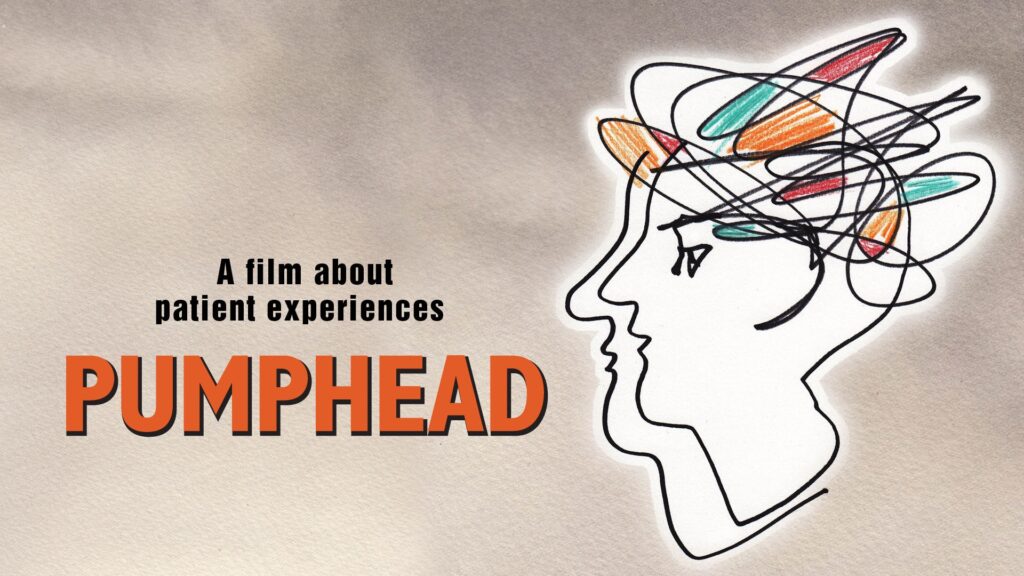
I am honoured to have Andrew Pike as one of my guests in the next few months. He is a leading light in the field of Pumphead. As a filmmaker and a heart surgery survivor who experienced pumphead, he decided to share what it’s all about by making a film about it.
Pumphead is a feature-length documentary exploring patient experiences following major heart surgery – how to understand these experiences and how to live with them. It’s a story of existential crises and transformative experiences, told by eight ex-patients including Andrew himself.
Click the image below to watch the trailer.
FOR FURTHER INFORMATION: https://www.roninfilms.com.au/video/858/0/13773.html
Where to Listen to Previous Episodes
Click a button below ⬇️⬇️⬇️⬇️⬇️⬇️
 |
 |
 |
 |
 |
 |