
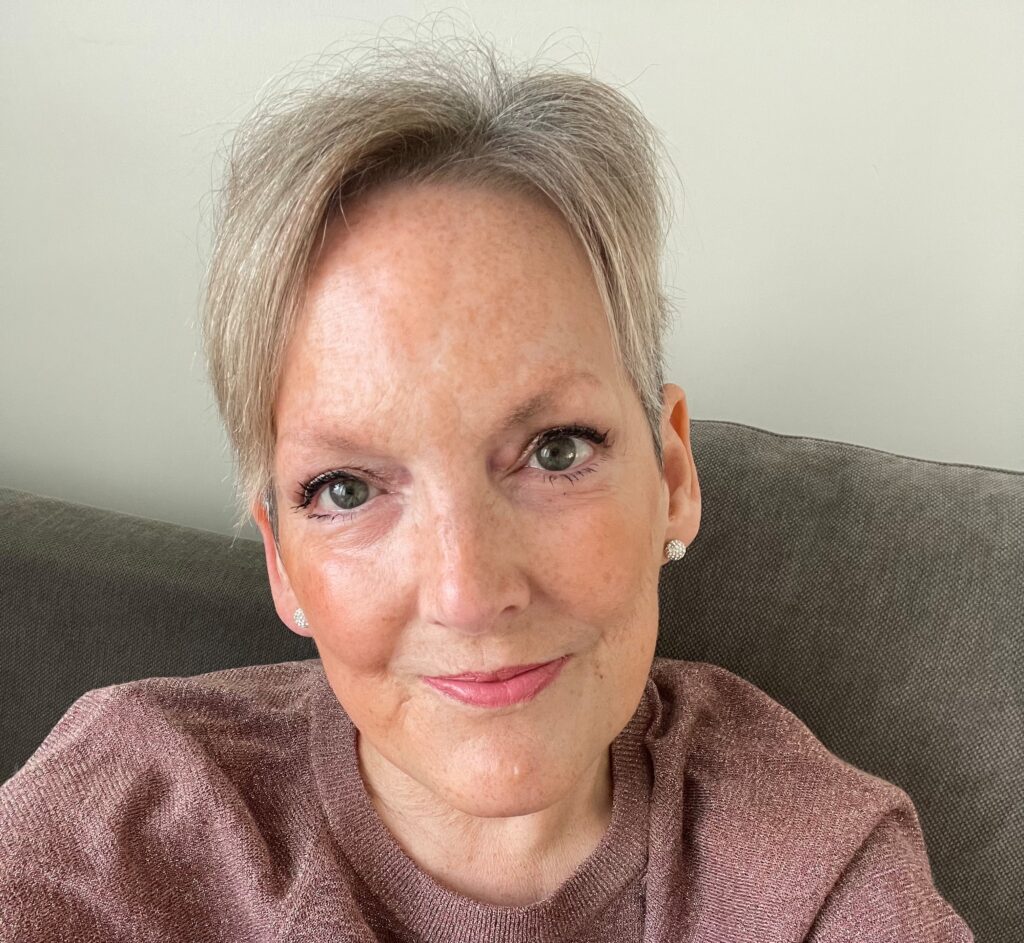
Today I’m joined by the lovely Immy Reid, and this is one of those conversations that really reminds us just how much a person can go through behind the scenes, often while still trying to keep going, keep smiling, and keep making sense of it all.
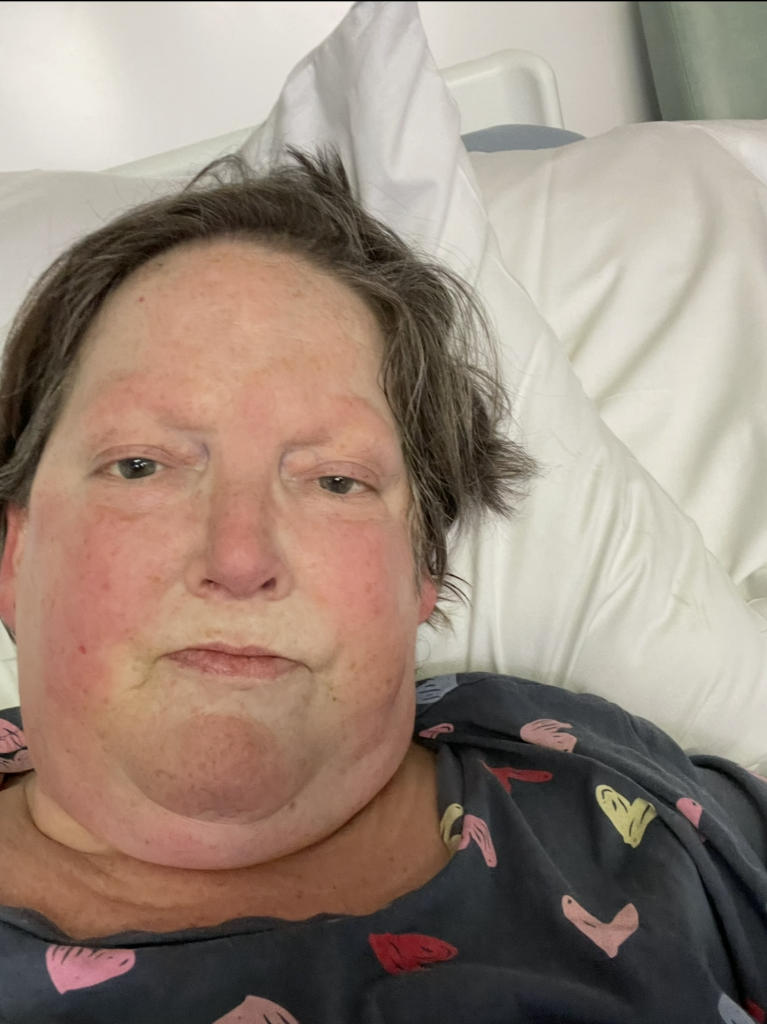
Immy has faced a long and complicated health journey, including heart failure, cancer treatment, lung issues, kidney problems, and a very frightening period where her family was told she was on end-of-life care. She also experienced three cardiac arrests and has had to rebuild not only physically, but mentally and emotionally too.
And as you’ll hear in our conversation, this isn’t just a story about diagnoses, hospital admissions, medication or devices. It’s also about trauma. It’s about fear. It’s about what it feels like when your body becomes unpredictable, when your life changes in ways you never expected, and when you’re left trying to understand what has happened to you after everyone else seems to move on.
But this is also very much a conversation about hope.
Immy talks openly about the difference that the right support, trauma therapy, family, medical professionals, and her own determination have made. She also shares some very honest reflections on mental health, panic attacks, living with uncertainty, stopping smoking, accepting help, and finding reasons to keep going even when life feels incredibly hard.
As always, this conversation is not here to replace medical advice. It’s here to help you feel less alone, to open up the conversation around the emotional impact of heart and health trauma, and to remind you that recovery is rarely a straight line.
So, take what feels helpful, leave what doesn’t, and listen with kindness for yourself as well as for Immy.
Let’s begin.
Listen here and read on for more ...
Transcript of our conversation
Please note that this is a transcription that was created by AI. There will be grammatical errors and misheard words. I have included it as I know some people prefer to read rather than listen.
 |
There is always hope! |
[00:00] Sallie:
Immy, it’s fantastic to have you on the show today.
[00:02] Immy:
Yes, thank you. I’ve been looking forward to it.
[00:06] Sallie:
Excellent. Well, so have I. Although, as always, when I’m recording podcasts, I do have a little bit of anxiety to start with, but I think that’s what helps us perform better.
[00:15] Immy:
Yeah.
[00:16] Sallie:
So, first of all, I’d like to ask you, you faced lots of health issues over this. Well, before this year, actually, it’s been ongoing for you. Can you just tell me a little bit about your health journey and leading up to your most event?
[00:33] Immy:
Well, I think it started when I was about 28. I kept, I had really high blood pressure. I just moved out and I moved six hours away from my family, so my anxiety was quite bad. I kept going to the doctors and I kept having to do regular, blood pressure checks. Didn’t think anything of it. Then, 33, I moved to another area because my ex partner postman was in the armed forces. They found out I had really high cholesterol and, they put me on statins, but I didn’t the statins. I couldn’t cope with the pain and everything else and my parents couldn’t understand why I was on higher statins than them. Then, my health. I kept getting benign tumours in my breast.
I, had two removed. And then, my marriage broke down in 2013, same week when I moved back from London to Lincolnshire. My mum passed away suddenly from sepsis. So I had a lot of trauma going on. And then I started experiencing severe migraines. I was sleeping all the time, I was putting on weights. They kept saying, oh, it was, because you’ve got a chest infection or it’s because you’ve lost your parents. And I was only 36, so they sent me to the hospital and they diagnosed with chronic fatigue syndrome. But I was getting worse and I was having more time off work. my place I was working for. The council said I had to leave because I was getting poorly.
So I got that fobbed off. My dad was dying for cancer at the time and we went away. I think I was diagnosed with thyroid problems in October and I couldn’t shift a really bad chest infection until December. I was on steroids, inhalers. I kept saying it was this, kept saying it was that. So we went on holiday with my dad, and he was walking miles and he was terminal cancer. And I said to Dad, I said, I can’t cope with this. I said, I’m sleeping more than awake. I says, I’m blowed up. I said, I look white. He says, I think you need to go back to your doctors. So I said to my sister, can you take me to the walk in centre?
The Friday I actually went into the doctors and said I was, you know, nothing’s working. And he changed my antibiotics M and steroids and inhalers. He checked my obs, but it didn’t click. So I went to the local walking centre, which is now closed. And she was concerned because I was in so much pain. She sent me to A E with a letter because all my obs were high. And that’s when I had everybody coming out the woodwork. I was diagnosed with, dilated cardiomythopyl, left bundle branch block and, severe left ventricle systolic dysfunction, which is a form of heart failure with a heart fraction of 22. They didn’t know what was going to happen. This was 10 years ago.
It was before interesto and Daphne was out. And, I started getting all right. I, lost a bit of weight and I was in and out of hospital with, side effects from diuretics, posture, hypertension. So I had high blood pressure. Then, my heart function went up to 45, looked okay, had a reasonable kind of normal life. I couldn’t work because I started getting more chronic conditions. And then 2020, next partner brought Covid into the house and I caught Covid. Now, everybody else was scared because I knew if I went to hospital, I wouldn’t survive. I had regular contact with my doctor, and the COVID doctors at, Sheffield was phoning me up twice a day because they put me in a virtual ward.
A virtual ward is when you stay at home, you do your obs four times a day and they assess you that way and it’s not dangerous for me. I managed to pull through that. This was at, Christmas. But then I found another lump. And, myself thought, well, it’s not going to be cancer. I’m too young. I’ve had benign tumours before. I’ll do it. So I went to the doctors and they said, yeah, we’ll send you back up. A month later, I started having really bad symptoms. I couldn’t breathe. it felt like I was drowning in fluids. And, I went to hospital. I was back in hospital with decompression heart failure. It fell back down to 29.
I told my heart failure nurse that I was waiting for appointment at the breast clinic. And, because I found another lump. So she Said, right, we’re going to hurry it up because it’s. He’d been waiting six weeks. At the same time they found a lesion on my lung but they didn’t know if it was cancer or benign because it was under five millimetres. So there’s me fretting about my heart and that. Then I get appointments at the hospital, in the breast clinic. They did me a ultrasound and a mammogram and she said to me imaging, she says, I sprayed my yo. My lumps. One, zero to four and you’re four. She’s having really concerns. This, is before I even had the biopsy. I’m really concerned.
I really want you to come back. You are going to come back for your appointments, aren’t you? We know you very poorly. And I went, yeah. I says, am I having an operation? Yes. So, there was an ring if I was going to have a mastectomy, if I was going to have chemotherapy, radiotherapy, obviously, because I was in severe heart failure. So I had. They told me to concentrate on my heart, forget about my cancer because that was worse than the cancer. I had the mastectomy. I, ah, had a single mastectomy on 28 June 2021. They told me I wasn’t allowed intensive care because I’ve got lungs conditions as well as heart failure and I wouldn’t survive.
They wouldn’t be able to come take me off the machine. I end up on high dependency ward for 24 hours, which was amazing. They were quite shocked. And my sister says, have you got it out? She says, yeah. She says, what was it? Was it. They thought it was, DCIS, which is pre cancer. Ls all over my boob. And, this is. No. Well, we found a bit more. When the pathology came back, they said it was grade three, which is the highest aggressive cancer, stage two, because the tumour the found was 89 millimetres.
[07:52] Sallie:
Oh, goodness gracious.
[07:54] Immy:
So my NDT meeting was up to and throwing to find out what. So I had six months of, of weekly doxytassil chemotherapy. Which is different to all the other breast cancers because if it gave me the Pacific one, that would have killed me. So I didn’t have sickness, I didn’t have any diarrhoea, but it attacked my nerves and all my nails fell off and my hair fell off. I was admitted into hospital with sepsis and I sell. I think I sailed through it all, to be quite honest. I used to come out all happy and everything else and people kept thinking Bloody hell, you know, you’ve gone through it. You’re not supposed to.
And then I got all the all clear and I was piling on the weights and they put me in the medically induced menopause. So they put me on letrozole. It’s an injection and, procedure. No pro injections, electrozole tablets. And I was having really severe symptoms of the menopause. My breathing was getting worse. I bloated back to the doctors. Oh, it’s because it’s. The menopause kept falling over. Nobody was keeping an eye on me. I broke several bones. I end up having ostopenia. But they didn’t treat it, so went to osteoporosis and, I was backwards and forwards to the hospital and my doctors.
And then in October 2024, I was back in and they thought I had a blood clot on my lungs, but they sent me home. So six weeks later, I couldn’t see my veins on my feet. And I said to my niece, I said, I can’t see my vein. She’s Imogen, you look ill. You need to go to the doctors. I didn’t realise my mental health was crashed then, because I wasn’t looking after myself in the house. And, I was getting worse. I said, well, actually, I’ve got an oncology appointment that more that morning. I’ll go afterwards. The oncology is only about five minutes away from an A E. I beetled off and I’ve sat in there again and nobody was telling me anything.
I knew that I couldn’t breathe very well. They just said, oh, it was. Probably got in fluid overload. I smoked then as well. It helped me through my cancer renews and parents and divorce. But I knew I had to give it up because they watched me on oxygen.
[10:33] Sallie:
Yeah, yeah.
[10:34] Immy:
And, I remember going out for a cigarette. I remember my son passing his driving tests. Nobody told me I was in high dependency wards. And I asked, I said, oh, am I going home? And said, no, your blood’s all over the place. And then I, woke up five or six days later. It turns out I had three cardiac arrests. They drained three and a half, three three and a half stone off me of fluids. My cardiologist tried to get me a either ICD or crt, which is a ventricular pacemake, three times in eight years. He was turned down by the Advanced Heart Failure Team and the health authority due to various reasons. I don’t know if it’s to do my.
My age, my Hair, my health. But they wouldn’t put it in. And I think it shocked him that I went into cardiac arrest. So they put me this plate. They placed his temporary wiring that didn’t work either. Then they were talking about they wanted me to have a heart transplant. Unfortunately like tents of care wouldn’t take me. Hat worth turned me down because I used to smoke. I’ve got lung conditions, I’ve had cardiac arrests. I’ve had cancer treatments. I would not. I think 1% only only survives after. It’s quite a big statistic. This is why they don’t give them out. People think you can get it straight away, you can’t. This is such a really high criteria.
You’ve got to pass before you even get through the doors. So they told my family that was on end of life.
[12:20] Sallie:
That m must have been shocking for them.
[12:22] Immy:
Yes it was because obviously my son was only 18 at the time. He didn’t have. His dad was over overseas. I had decompression heart failure. My heart fell down to 9%. I have had stage three acute kidney injury. My kidneys went down to 6% double pneumonia. So I wasn’t. So I wasn’t going to survive. And I woke up, bolted up and said hello to everybody and I scared the living daylights out of them. What had happened was there was a cardiologist who I’ve never met before, fought my corner. Now I was on morphine and a lot of other stuff due to cancer treatments and my sister turned around and told the advanced heart failure team to take me off it.
The cardiologist said he had something, something happened to him similar M and what they did is they went down to pathology and asked him to make an antibiotic with someone in our in about it. But they agreed and that actually woke me up.
[13:33] Sallie:
That’s amazing.
[13:35] Immy:
Later that week I had the ventricular pacemaker footage. Now I had a lot of problems with the cardiologist, a different cardiologist who fitted it. He didn’t want to put it in because I was too ill. But because my cardiologist was high ranking than him he had to do it. So when I got in there I had a lot of problems. I did clean it before I went down there. I turned around, I was so scared. I turned around and said I didn’t want it.
[14:06] Sallie:
I can imagine.
[14:07] Immy:
And it because I could hear him talking about me. And they, one of them said if you don’t do it you’re going to die. In a few Days. So I had it done. I, didn’t have any, anaesthetic. I didn’t have any station because I was allowed it because I was too
[14:24] Sallie:
Ill. Was it painful?
[14:26] Immy:
I have fibromyalgia, so my pain is different to everybody else’s. I could feel it a little bit. I had local anaesthetic.
[14:36] Sallie:
Right.
[14:37] Immy:
But I think it was a fear of the unknown and if I was going to die on the table, what scared me more. And when I was in, if I did feel it, I was singing nursery rhymes up high pitch to change. I don’t know how. It was really weird. And once I’ve done it, I wasn’t in there for very long. It was very quick. He was obviously very good at his job. I went back to the wards, have quite a bad experience on the ward. And then the next day it went off. My defibrillator went off.
[15:14] Sallie:
Right.
[15:14] Immy:
And then it went off again the next day. Then it went. Then I blacked out in the evening one day and it went off again the first week I had it and then it went off again. So it went off four times. Well, I didn’t know what was going on. They didn’t know what was going on. They thought maybe it’s going off because my heart was that bad and nothing was going to help me. So they rushed me back to, the cath lab. They couldn’t find anything else wrong. They came back and what they did was they overrided my device. I’m 100% paced by it because obviously it doesn’t work electrical or the muscle. Yeah, I’m, set at 90. Normally you’re set between 65.
Well, 55 and 70, I think. It’s really low. It works better, that thing. I have a condition called auto processing disorder, which I was born with. So maybe what happened was all the trauma I’ve had, like a jug of water, it was piling up right to the front, right to the top. And what had happened was it spilled over. And, I had a breakdown in hospital. I couldn’t cope, couldn’t cope with any, but nobody was telling me anything. I was getting, my brain was mixed up with good and bad memories and, I couldn’t even speak about it. My heart rate would go into VT all the time. That’s why, why it kept going off.
So they had to get the crisis team in to assess me and they said it was just anxiety. But all my cardiology team says, no, it’s post traumatic stress. You’ve been through hell and back loads of times. But I’ve also got broken heart syndrome as well.
[17:15] Sallie:
You do like to have everything, don’t you?
[17:16] Immy:
Oh yeah, I’m greedy. And that, that only happens when my last parent died and I went to see the graves. My sister’s been saying graveyard. And within hours I was in recess and other stuff happened. So if I’m ill or if I’m stressed, it affects me quite badly. So I spent nearly six weeks in hospital. I couldn’t walk, I couldn’t. I had to learn all the basic stuff skills again. It was quite bad. When I left I was. Oh yeah. I started experience panic attacks. This is why my device kept going off. I was having about six panic attacks a day and it took me probably an hour to get off the ambulance.
Which brings you home then over the weekend, the first weekend, they found out I had proximal atrial fibration as well. My home monitor picked that up. Within hours I had a card. I had a cardiology appointment on the telephone and they put me on medication. So it was quite quick.
[18:29] Sallie:
Yeah.
[18:30] Immy:
Because my home monitor is as big as a mobile phone and it, and it does a download every evening to the hospital. So they cheque it, whatever.
[18:40] Sallie:
Yeah.
[18:41] Immy:
And then I saw a mental health nurse at home who came to see me. She asked me to get myself referred to a local private hospital because they pay for trauma therapy and I had six months of trauma therapy. I attend a local mental health garden once a week. That has helped my mental health loads. I didn’t realise how bad it would affect me. And when I spoke to my cardiologist about it, he said a lot of people have been through chronic events, end up with post traumatic stress because they
[19:22] Sallie:
Don’t tell you no and, and they don’t explain it to anybody at all. And it’s almost, you know, even when you’re going to cardio rehab after you’ve just had a heart attack, for instance, they mention about stress but it’s about reducing your stress, not about the stress that the event caused.
[19:41] Immy:
This is why I’m higher. My, I think my anti tachycardia pacing starts off at 180 so it has to be really high. But unfortunately now, I had my echo done. 12 weeks later my heart function went from 9% to 3540. They are gobsmacked. They cannot believe how. This was a year ago. I’m supposed to see my cardiologist every six months In Nepos, I haven’t had one for a year. Cardiology department at the moment have long delays in everything from scans to results to see anybody.
[20:24] Sallie:
Yeah, yeah.
[20:26] Immy:
I keep chasing appointments up. Not happening. People who have been diagnosed part fail. They’ve had to wait a year to see a cardiologist. Everybody’s living longer. Not only that, they’re only working part time in NHS hospitals. I know. Mine work in the private hospital where I live. So this is why there’s long delays and it is putting lives in danger.
[20:51] Sallie:
It is. And mental health.
[20:54] Immy:
Yeah. I don’t know if my heart will get worse because nobody’s really mentioned it, but because I’ve got a lot of conditions, I’m, on 25 different tablets a day. This is my bag. So although my heart is thriving.
[21:10] Sallie:
Oh, there’s a suitcase, not a bag.
[21:13] Immy:
Tablets every hour. Since I’ve, had the cardiac arrest, I’ve been diagnosed with type 2 diabetes. My pancreas doesn’t work. My high cholesterol and the triglycerides rocketed to severe. I’ve, lost over, five stone in weights without trying. There’s more and more conditions they’ve also found now because my kidney function went back to 90, which is amazing, but because it was so severe, it’s gone back, it’s gone, it’s dropping. I’ve gone to, 60.
[21:51] Sallie:
Yeah.
[21:52] Immy:
Because apparently after you’ve had acute kidney injury, even though you’re high risk anyway, with heart failure, the scarring, happens after the shock.
[22:05] Sallie:
Yes. Yeah. It’s the part, the healing.
[22:07] Immy:
Yeah. So I have reg. I have monthly lipid tests because I’m so high risk for pancreatitis, heart attack and stroke. Obviously the device doesn’t stop you having a heart attack.
[22:22] Sallie:
No.
[22:23] Immy:
So last year it scared the living daylights at me because it doesn’t matter what way I turn, I’m getting critical conditions thrown at me left, right and centre. and I’m not even 50. 50 next year. Yeah. so I take each day as it comes. I don’t know what’s going to happen in the near future. I’ve had to come off hormone therapy because it affected my cholesterol and my other levels.
[22:52] Sallie:
I only recently found out about Le
[22:55] Immy:
That halved, but Metropol does it as well. and so does Fox and Levi Fox in. So the pros that do the cons. So I have to stay on those critical medication. But the other one, the pros that did the cons. So I had to Come off it. Because we didn’t know what was gonna do it.
[23:17] Sallie:
Yeah. Yeah.
[23:18] Immy:
But proof that you can live a normal life. I don’t go out because I can’t. I now have to have a lifetime fitted into my house. 19. He’s out all the time because I don’t know if I’m gonna have a go into a diabetic coma, fall over, or my device is going to go off.
[23:38] Sallie:
Yeah. So many things.
[23:40] Immy:
Yeah. Unfortunately I had to give up. My sister had to go away because we had. We had some more trauma happened in her family. So it’s been a struggle. It really has.
[23:52] Sallie:
Yeah. Yeah. And you must feel quite vulnerable being at home rather than kind of in the hospital between.
[23:58] Immy:
I do because I’ve been doing it for so long. The only good thing about my devices that I can go upstairs without being out of breath. I can lie down without being out of breath. I’ve obviously I’ve stopped smoking for 18 months.
[24:13] Sallie:
Excellent.
[24:14] Immy:
Which is amazing. I don’t have any vapes or anything like that. That was on patches.
[24:19] Sallie:
Well done.
[24:19] Immy:
I was told that if I didn’t stop because I’m 100% paced, it won’t work. So I had that scare that if I don’t do it, I’m gonna die.
[24:30] Sallie:
Yeah.
[24:31] Immy:
In the past it never bothered me that I had a condition what could kill me, even cancer. But I think that’s because partly I was still in trauma with losing my parents. And, in my eyes I thought, well, I didn’t care. I’d rather be. And some days I didn’t take my tablets but nobody was keeping an eye on me. And I didn’t realise that if you don’t take your tablets, this is when the problem starts.
[25:07] Sallie:
Yeah. And that’s quite a natural trauma response to. For some people it’s the dinner way. All brains.
[25:13] Immy:
I’ve actually done a rap course, a well being course with the mental health garden. And that was the 12 weeks. And that’s to do with getting your well being. And now I know my triggers. I know to get help. But it didn’t help with my doctors not keeping an eye on me. They’ll give me. And if I phoned him up for appointment, they’ll tell me over the phone, oh, here’s some antibiotics. They was having problems. He didn’t have enough doctors. So other people was doing it. We found out that, I was diagnosed previous, before I got diagnosed with heart failure. I was diagnosed with vitamin B12 deficiency. That was in another. That was when I was in London.
I was having injections every eight weeks, but I’ve been back for 13 years and my new GP found out they were giving me it for 10 years without even having a low level.
[26:10] Sallie:
Right.
[26:11] Immy:
Get reported. They have been investigated by, ibc and what if it’s called. So I did have a lot of problems with my old gp, but it didn’t help with the hospital either because they’re so busy they’ll send you home. Well, when you’ve had it all for 10 years, you’d be okay.
[26:29] Sallie:
Yeah.
[26:30] Immy:
And it wasn’t. It was actually. I was in fluid overload.
[26:33] Sallie:
Yeah. So it was contributing to your problems.
[26:36] Immy:
Oh, it was doing all. I wasn’t. I kept forgetting. It was affecting my memory. I wasn’t, I didn’t. I forgot to pick up my 10 year old nephew from school, which I’ve never done in my life and wasn’t. I was just asleep more than I was awake. And when I came out of hospital, I changed my whole life change. I started eating healthily, I started being more active. I go to bed early and I constantly take my time. Nowadays I have to take tablets every hour, which is a bit. I have to have alarms on my phone because I won’t remember. I’ve got a book. I have to write him down.
My son has to come down because he’s my main carer to come and he’s only 19. He’s missed out quite a bit.
[27:25] Sallie:
Yes.
[27:26] Immy:
So, yeah, it’s been challenging.
[27:29] Sallie:
Yeah.
[27:29] Immy:
But I keep my family think I’m immortal.
[27:32] Sallie:
Well, it would seem that way. And I’m sitting here thinking I might have to call you Emmy the Invincible, because you seem to be. Do you mind if I ask you a little bit about the trauma therapy that went through? Do. You don’t have to disclose anything, but how was that for you? How did you feel when you first started and what did. What sort of things?
[27:52] Immy:
When I first started, I was shaking like a leaf. I have stress balls now, which I have to use because obviously I don’t smoke anymore and I don’t drink. M. So I need something to use and some of it was to do with my past life, but most of it was to do with what happened because it was a traumatic time. And normally in cardiology wards I love it because you’ve got the best help. But this time, the last few years, it’s got worse and worse. There’s not enough staff. They’re using staff from other countries. They might be A nurse in their own countries but not qualified over here. So they’ve got different rules.
I had to tell them what some of my tablets were because some of them they haven’t seen and it was just horrific from start to finish. even when I was on end of life that my sister had to tell the matron a few times to stop people burning because it just wasn’t the care anymore.
[28:59] Sallie:
Yeah, yeah.
[29:00] Immy:
And like when I came out of vendor flies within hours they stuck me in a chair and left me in a chair. I could even sit up.
[29:10] Sallie:
Yeah, yeah.
[29:10] Immy:
My sister double turns when she walks in and she says how the hell have you got her in in that chair? Oh well, it’s tea time. She has to sit but she’s just woken up from being on end of life. So I had to go through a lot of traumas to get to be the way I was. Fortunately, because of the medication I’m on, it’s affecting my teeth and they’ve stained him and my teeth are falling out. I had. In October, I had to go to hospital to have four teeth out. They would only give me a light sedation as well. And it was local. And the way I was because of my panic attacks was affecting my device.
I used my stress ball throughout it. What we did, we did. I had to listen to sounds of the cardiology like the, the machines to desensitise myself.
[30:03] Sallie:
Yeah, yeah. My, my father, my dad, my dear dad. He died during COVID of COVID in hospital. And I was really traumatised by the sound of the machinery. No I wasn’t.
[30:16] Immy:
But what I used to do is if I knew my heart was racing, I would look at the monitors.
[30:23] Sallie:
Yeah.
[30:24] Immy:
And the monitors would go higher and higher. They had to wean me off big monitors. I end up having a small monitors and they won’t even switch it on. And that’s what that. Because I was so scared I was going to go into another VT episode Com for now since they overrided it. They’ve I haven’t had any more. I don’t have hardly any anxiety attacks unless I’m going to the hospital like tomorrow, Thursday I’ve got the pacing clinic so they’re going to interrogate my device. That’s when I start shaking because I don’t like any in my eyes. I think I’m fine, leave me as be. But it’s too high for them really.
[31:06] Sallie:
Yeah.
[31:07] Immy:
So they do say can we drop? And I’m like no, you can’t But I have had an MRI scan. I did manage to have it, the defibrillator part of it switched off and I didn’t have a panic attack.
[31:21] Sallie:
Excellent, well done.
[31:22] Immy:
So I’ve come a long way.
[31:25] Sallie:
Do you have strategies that you learn that help you?
[31:28] Immy:
Yes. You do?
[31:29] Sallie:
Yeah.
[31:29] Immy:
They tell you to do breathing exercises. if you tap. There’s a lot of exercises on YouTube they recommend you. They also recommend me to use a stressful. I didn’t realise how good they were, but I thought it was just a fidget thing. But it does work because you’re concentrating on that. There’s also tapping exercises on your face.
[31:55] Sallie:
The EFT is that, yeah, yeah, that works well.
[31:58] Immy:
So they learn you lots of stuff. And with me, because I’ve got complex post traumatic stress, we did little blocks. And even my therapist knew she could see a difference. And it was a private therapist because when the mental health nurse came around the house, she says if you go to the nhs, you’re not going to get enough treatment. This is why. because I’m on benefits request for trauma therapy. They’ll pay for six months and I went every single week and I’m still in contact. I finished it in October. And she will still send me a message to see how I’m doing, which is really nice.
[32:41] Sallie:
Yes. Yeah, yeah. It gives you that feeling you’re not alone.
[32:44] Immy:
Yeah, yeah, yeah. But I don’t know, maybe if I do get ill again that it will come back even worse. But now I know that I, need when I need help and not ignore it.
[32:58] Sallie:
See, that’s really good, positive thing.
[33:00] Immy:
It’s knowing because I tend to smile through everything.
[33:04] Sallie:
Yes.
[33:05] Immy:
And yeah, it can be hard sometimes, but sometimes my son will turn around and tell me now, stop being. Put myself down. You know, you’ve done so much. You know, you’ve gone through this, you’ve gone through that. you’ve been through and you’ve come out the other way. So he’s my brick.
[33:24] Sallie:
Yes. Yeah.
[33:25] Immy:
He will tell me off. I’ve been doing things wrong and stuff.
[33:29] Sallie:
So he’s parenting his parent.
[33:31] Immy:
Yeah. Yeah. Well, that’s what it is.
[33:33] Sallie:
Yeah.
[33:34] Immy:
So, But yeah, we’re doing okay.
[33:37] Sallie:
Yeah. Can I, ask you again, taking you back a bit to the end of life stage. Obviously you weren’t aware of what.
[33:44] Immy:
No, I don’t remember six days of it. I don’t remember Cardigan or any of it.
[33:51] Sallie:
Yeah. How did it affect your family around you? Because they were having to probably make decisions.
[33:57] Immy:
Well, they didn’t really get a decision because I had a DNR already. I found out my cardiologist rewrit it and said that I didn’t have any capacity.
[34:07] Sallie:
Oh.
[34:07] Immy:
Yeah. Which I was crossing. I don’t know if it’s because they couldn’t find it, but if they looked in my notes, they would have found it. Nowadays they only read two pages. Okay. Because in the past, even at the breast clinic, I have bronchospasms. Till either came. A doctor told me to go, go for my notes to see if I could find where it was because they just didn’t want to do it. The cutting corners, some of them are not all to try and squeeze everybody in. It has affected my memory. My co negative, part, is really poor now.
[34:44] Sallie:
Yeah.
[34:44] Immy:
My attention span is not very good. I forget things. I get angry more. But I don’t know if that’s a sepsis or if it was the cardiac arrests or if it was the end of life. No one tells me anything. They don’t want to scan my brain because I’ve got too many problems and another one would probably make me worse. At first my family actually thought I had a stroke. They didn’t think I had a cardiac arrest, but they wouldn’t scan it. I have got a white patch on my brain, but that was found after the chemotherapy and they can’t, they don’t know if it, they think it’s vascular.
[35:25] Sallie:
Right.
[35:25] Immy:
But that could be to do with the cholesterol levels.
[35:28] Sallie:
Yeah, yeah.
[35:29] Immy:
When you’ve got hereditary cholesterol, it’s not just in your, it doesn’t have to be in your heart. It could be all over. Have mine’s majority all over my body because when they did the angiogram, I’ve only got a tiny bit. So it’s not food what’s causing it, it’s other problems. What’s mine’s more medical, medicines what caused it.
[35:49] Sallie:
Yeah.
[35:50] Immy:
And. And high stresses.
[35:53] Sallie:
Yeah. Yes. Yeah, they say that. And I, I was interested that when I found out that actually smoking impacts your clients cholesterol as well, which it
[36:03] Immy:
Also impacts your pain as well. Because since I’ve come off, I have long QT syndrome as well.
[36:09] Sallie:
Yeah.
[36:10] Immy:
So that is a condition which medicines can actually affect it and put you in a dangerous heart rhythm. I don’t know what type of rhythm it is. amitriptyline does it. Fenifaxine does it. Which I was on and they took me off the morphine and since I’ve stopped smoking, my pain has come right down. Even now M. I’m in chronic pain. I’m only allowed paracetamols and 100, 100 gabapentin. That’s all I’m allowed. They make me do exercises and stuff. I didn’t realise how much smoke. It impacts your life. It’s not just your lungs, it’s your whole body.
[36:49] Sallie:
It’s quite shocking when we find out
[36:52] Immy:
I was getting up to 80 cigarettes a week.
[36:54] Sallie:
Yeah.
[36:55] Immy:
But it was my comfort blankets. Yeah.
[36:57] Sallie:
And when you’re going through stress it is one of those crutches that you fall back on if you straight to it.
[37:03] Immy:
And even when I had chemo radiotherapy, they didn’t tell me to stop. They said to continue it because it’ll be. It’ll do worse damage if I stopped.
[37:10] Sallie:
Yeah. Crazy world, isn’t it? It’s all about getting the balance right.
[37:14] Immy:
The only problem I have now with my lungs is if I go on an aeroplane, I have to have oxygen. At the moment I’m in limbo with the respiratory. They haven’t contacted me since I had the cardiac arrests. So now I just want to go on holiday next year for my 50th but I’ve got to ask permission as well to get a letter of lying. Supposed to be going to Cyprus in October. I’ve had to cancel it because for restricted airways heart failure. £845.
[37:50] Sallie:
It’s shocking, isn’t it?
[37:52] Immy:
Jumped up quite a lot. But yeah, unfortunately when they said I was end of life, they all came around my bed. It was quite funny. They were saying things that they put dance music around my bed, dancing around it. And I think that probably helped me because I had everyone around me. Unfortunately two weeks later something else happened in my family which affected my sister and. Her family. And I didn’t. Couldn’t see her for quite a lot of weeks.
[38:24] Immy:
So yeah, we’ve been through the mill.
[38:28] Sallie:
You certainly have.
[38:29] Immy:
We’re still going through it at the moment.
[38:31] Sallie:
Yeah. If so you look, I mean you look fantastic. You looking at you and it’s very much this. You know, you can look fine on the outside but nobody knows what’s going on the inside. And it sounds like you are living the best life you can with the situation that you’re in.
[38:51] Immy:
My health is like a leaky roof. You get one thing sorted, something else because I need a transplant and obviously I can’t have it organs are failing which is unfortunately. But that’s probably to do with the cancer as well.
[39:07] Sallie:
Yeah.
[39:07] Immy:
Because you never really recover from cancer. Yes. You might have got through the treatments but it’s what is left afterwards. It’s affected my stomach, it’s affecting nerves and that all has problems with your heart. It’s I find anxiety. My anxiety affects my stomach and obviously my heartbeat as well. We saw you got vagueness nerve anyway going through it and that’s probably the
[39:33] Sallie:
Reason why the mind body connection is a real thing.
[39:38] Immy:
I’ve found I’m not sweating anymore. I couldn’t tolerate beta blockers for many years because it kept giving me posture hypertension or I used to vomit on them or make my asthma bad. We actually found Metropol which works for people A lot of cardiac. A lot of people have got lung pills and I’m on three tablets a day and I’m fine with it but I was on high strength of entresto before I went on my device. I can’t tolerate the high interest though during the day. Because it makes me want to collapse every time I get up.
So what my heart failing nurse made me do was to have the middle strength in the morning, take a pleuron in the afternoon and take the highest strength 12 hours later. Because some you have to. I didn’t realise. I thought you just took it in the morning and took it at night time before you went to bed. It doesn’t work like that. You have to take it 12 hours later. Like Bluffing is y. And that helps. So I’m getting the benefits at night time with the high strength and the middle strength and I think that’s helps my heart quite a lot. And obviously eating healthily.
[40:55] Sallie:
Yeah. Listening to you talking about all of the medications and everything. It really does hold up the case of. It’s not a blanket fix for everybody. Here’s the recipe. Out you go. It really does need to be taken
[41:08] Immy:
And they always start you on bisophil. I think everyone started. It doesn’t matter if it’s atrial fibration or anything. They always. That’s not.
[41:17] Immy:
Couldn’t tolerate that. But it’s. It’s. Yeah it’s. I think my heart’s fine because obviously I haven’t been into hospital. That’s how I going by. I don’t know until I finally get this echo to see. But I’m scared once it hits a normal level they’re going to discharge me which I don’t want. And this is what we’re doing to people. Once they’ve reached up to a normal level, they’ll get rid of you. But because the date, this day and age, because you cannot see a cardiologist for so many months or years, people are slipping through the net and I don’t want that with me. So there’s quite a lot of anxiety.
What I have to keep telling don’t discharge me, you know, I need to be seen. Because it might change because it didn’t think it was going to work this well. It normally doesn’t.
[42:11] Sallie:
No. but you are an exception to the rule.
[42:13] Immy:
Well, this is what. This is what they said. They used to call me the miracle on cardiology. I used to have people coming out the woods, work and see me because they didn’t believe it was true.
[42:22] Sallie:
Yeah, yeah. Ah, yeah. well, I’ve always thought the NHS are fantastic in a crisis when it is a cute.
[42:31] Immy:
If you’re dying, they’ll see you straight away.
[42:34] Sallie:
Yeah.
[42:34] Immy:
And this is what people don’t understand. It’s hard because everyone’s in the same boat. We’re all waiting to see. But they do get to see you. I’ve, had quite a lot of good help from them. Well, obviously there’s my life so many times. So I always say thank you to him. yeah, I was going to go and see the wards afterwards, but I think that’s a bit too, too much for me at the moment. But I did see one cardiologist. It was quite difficult actually. I was waiting for bus stop at the hospital and the CPR machine went past me. So I felt a bit anxiety because I haven’t seen it.
[43:08] Sallie:
Yeah, yeah.
[43:08] Immy:
And then I saw cardiology. I said, you don’t remember me, do you? This is my name. Suction. She said, he said, I do just want to say thank you for saving my life. He says, you look amazing. He says, completely different.
[43:22] Sallie:
Yeah.
[43:23] Immy:
And I thought that was really nice. But what made me laugh was I actually a nominated my cardiologist to a heart failure charity. For an award. And he got it the day before he told my family that was an end of life. I was a bit miffed about that. I’m doing okay. It’s just all the others.
[43:41] Sallie:
Yeah. It’s the one thing after another. It just, it becomes any part of
[43:46] Immy:
My body what hasn’t got anything wrong with it.
[43:48] Sallie:
Now we’re gonna have to rebuild. You like the Bionic Woman or something like that.
[43:52] Immy:
Yeah.
[43:55] Sallie:
So as we kind of close towards the end of this episode. Have you got any advice for others that you’d give them?
[44:02] Immy:
Don’t give up hope. Yes. If you, if you’re being told you’re on palliative care, doesn’t mean you’re gonna die. You can still. I’ve had. I used to go to the hospice all the time because they. What they used to do is a few years ago they used to look after patients with heart failure as well as dementia patients. But unfortunately, due to the lack of money, they can’t look after you anymore. There’s always something around the corner. Nowadays there’s different medications and devices coming out every day. Don’t believe everything you read on the Internet, M Majority of it is either fake news nowadays to scare you and, a lot of it has got better in time. Stick to the forums.
Sometimes you have to don’t believe. If people say that they can cure heart failure, they cannot. You can control it, you can get it to a normal level, but you can never get rid of it, unfortunately. And just take each other’s corns and keep on smiling. To be quite honest, if I can do it, everyone else can do it. And I’ve been having back and bounce around the whole room again.
[45:22] Sallie:
Yeah. So what about the mental health side? If somebody was thinking about going to therapy, what would you suggest? Would you. What would you say to them about it?
[45:31] Immy:
Go for it. Yes. It’s going to be hard and I was scared before I went in because I didn’t know what to expect. But once you get trust with your therapist, it gets much easier. I used to use, fidget toys and that used to help me, obviously my stress ball as well. it’s not for all people, but I think if it impacts your heart, you need to do it because if you don’t, things will get worse. It’s not nice when you’ve been. When you’ve been in there, it’s horrific.
[46:08] Sallie:
Yeah. Catch it quick so that you can actually cope.
[46:11] Immy:
Especially when you go and get told anything. I have problems in. When at lunchtime. No one told me. there was never anybody about and that’s when my anxiety would kick in. It turns out they’re not allowed on the wards. Doxy that. So when you’re eating food, they all disappear. It’s your quiet time, apparently. And I think you need to ask questions as well because they won’t tell you. They only tell you what you want to hear, unfortunately. And that’s with all departments. I found. Yeah, I found scans on my NHS app and they haven’t told me I had a fracture in my back and I had problems with my lungs and they didn’t even tell me about it. I found it myself.
Yes, so you need to keep asking because they won’t tell you anything and keep pushing as well. Sometimes they don’t really want to try things, but I don’t know if it’s because the authority can’t afford it and they only give it to a select few. It’s like for instance, with high cholesterol, lots of people saying get on the injections. My car, my lipid specialist won’t put me on them. My hospital makes you try every single lipid medication and every strength before they even consider you on. It doesn’t matter if you’ve had extensive cardiac history or anything. Not one role fits everyone else.
[47:36] Sallie:
Yeah, I mean my, I, I am on the injections. I have one every six months after some front loading and for me, yes, they did make me go through, through quite a lot of the statins to make sure. But yeah, it was, it was an easy, easy path.
[47:51] Immy:
Yeah.
[47:52] Sallie:
And I’m m so grateful, you know.
[47:54] Immy:
My levels was 15 for cholesterol and 35 for triloxins. That’s how high it was.
[48:06] Sallie:
Yeah.
[48:07] Immy:
So they were getting desperate to get it down. I’ve managed to get it down. I’m on Ah, 40 row statin night.
[48:14] Sallie:
Yeah.
[48:14] Immy:
On Isabits or something like that. That’s a fish oil. I take two fish oils with my dinner, twice a day and I’m on beza fibrate as well in the morning. But I’ve noticed, we’ve noticed the bezofibrate has actually dropped my sugars down from I think I was 50 something.
[48:39] Sallie:
Yeah.
[48:39] Immy:
For now. Pre diabetic.
[48:42] Sallie:
That’s good.
[48:42] Immy:
So it’s amazing what your cardiovascular system does to everything else.
[48:47] Sallie:
Yes.
[48:48] Immy:
So we have got them down but I have to be Even though I’m nine stone, I still have to be on a low fat diet.
[48:55] Sallie:
Yeah.
[48:55] Immy:
And then one other tablet’s crayon. for my pancreas I have to have five with every meal and if I have snacks, so that’s not good. I can’t. You’re supposed to drink those water and that. I can’t drink water because I’m on the two litre fluid restrictions. Yeah, yeah, it’s, it does affect everything. It’s like a vicious circle.
[49:18] Sallie:
It is, it is it sound, it sounds so hard to manage but as you said, you do it with a smile on your face. Yes, yes, yes. So is there anything else that you’d like to leave our listeners with today?
[49:31] Immy:
Today, Try and keep on going, you know, is if it’s it doesn’t have to be the end of the world if you get a, bad diagnosis. Yes. Your heart function will go up and down, and that’s normal. And even your kidneys will go up and down. Dehydration causes it to affect it. And echoes and MRI scans and the CT scans are completely different. The echo is shown an estimate measurements. The CT scans and the MRI scans show an accurate measurement. So they do get it wrong quite often.
[50:07] Sallie:
Well, Immy, it has been a pleasure to speak with you today. You’ve been absolutely brilliant. Thank you.
[50:13] Immy:
Thank you very much. Thank you.
Where to Listen to Previous Episodes
Click a button below ⬇️⬇️⬇️⬇️⬇️⬇️
 |
 |
 |
 |
 |
 |